Weathering
Tutor: Barry Wark

Weathering
Tutor: Barry Wark
Building Type
Size
Location
Softwares Used
Multi use Mixed purpose - Repurpsed over time
3,000 m²
Speculative building 100 RMIT Melbourne, Australia
Houdini, Redshift, Rhino Grasshopper

Weathering
Tutor: Barry Wark
Building Type
Size
Location
Softwares Used
Multi use Mixed purpose - Repurpsed over time
3,000 m²
Speculative building 100 RMIT Melbourne, Australia
Houdini, Redshift, Rhino Grasshopper

Weathering
Tutor: Barry Wark
Building Type
Size
Location
Softwares Used
Multi use Mixed purpose - Repurpsed over time
3,000 m²
Speculative building 100 RMIT Melbourne, Australia
Houdini, Redshift, Rhino Grasshopper
Weathering
Tutor: Barry Wark
Building Type
Size
Location
Softwares Used
Multi use Mixed purpose - Repurpsed over time
3,000 m²
Speculative building 100 RMIT Melbourne, Australia
Houdini, Redshift, Rhino Grasshopper
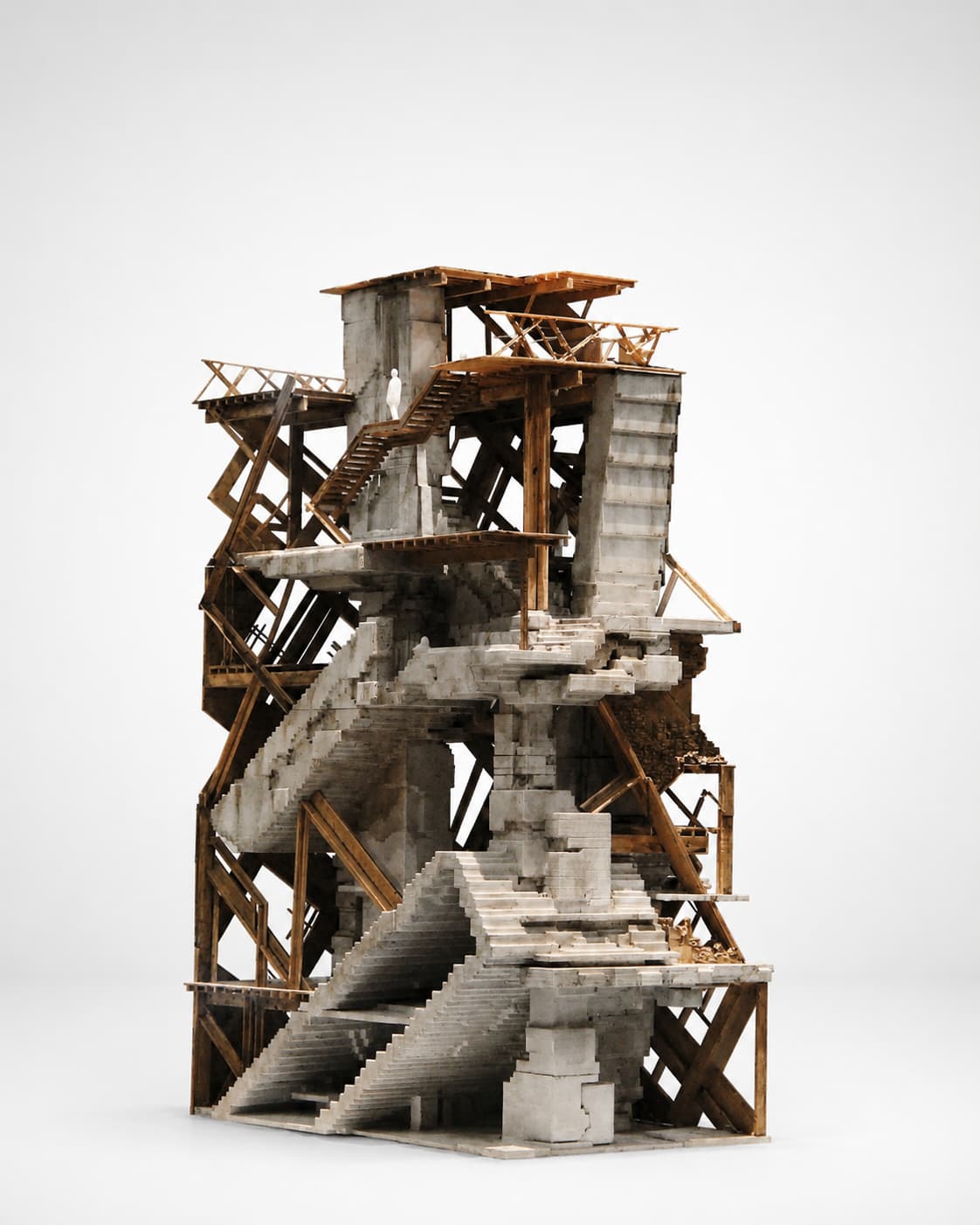
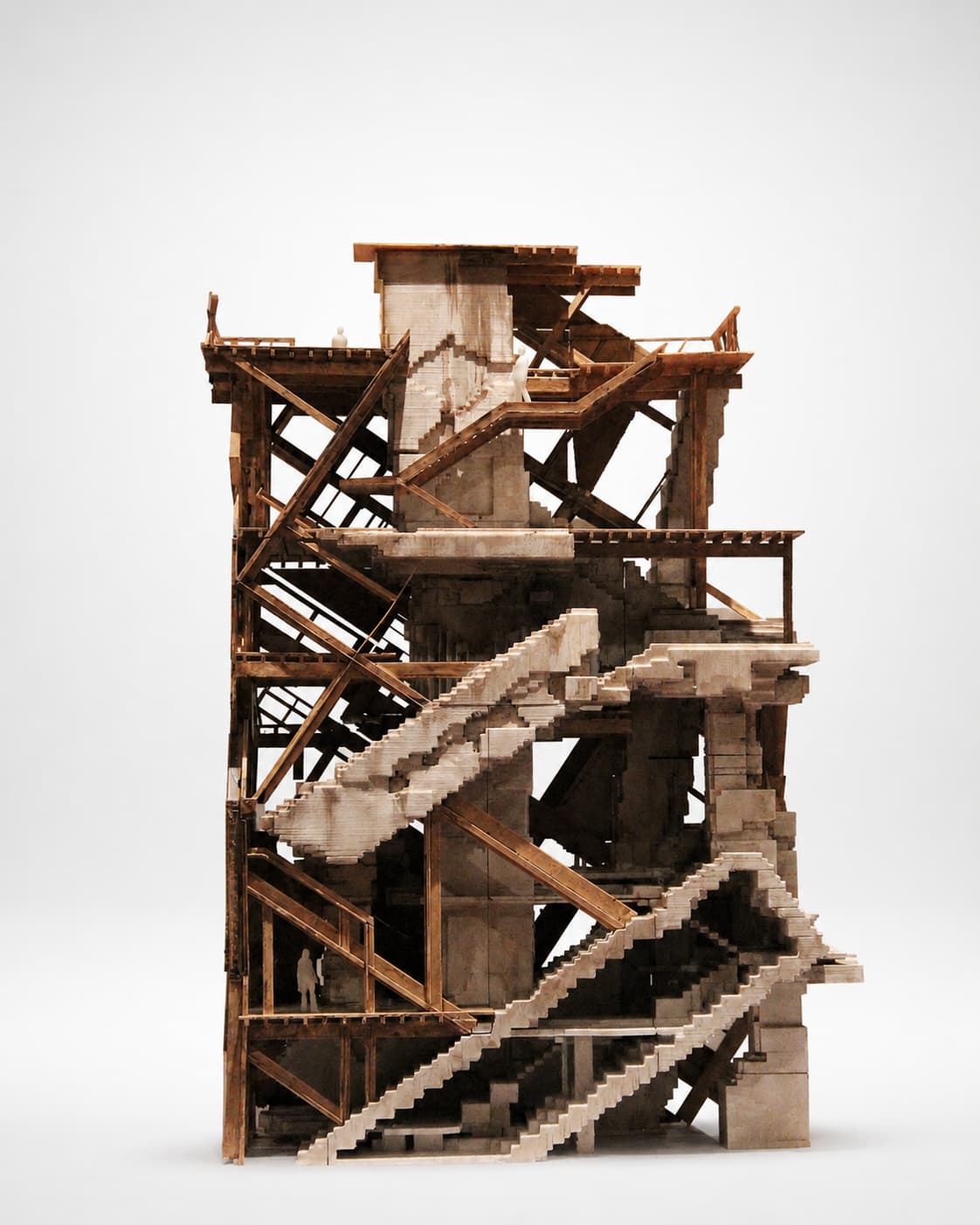
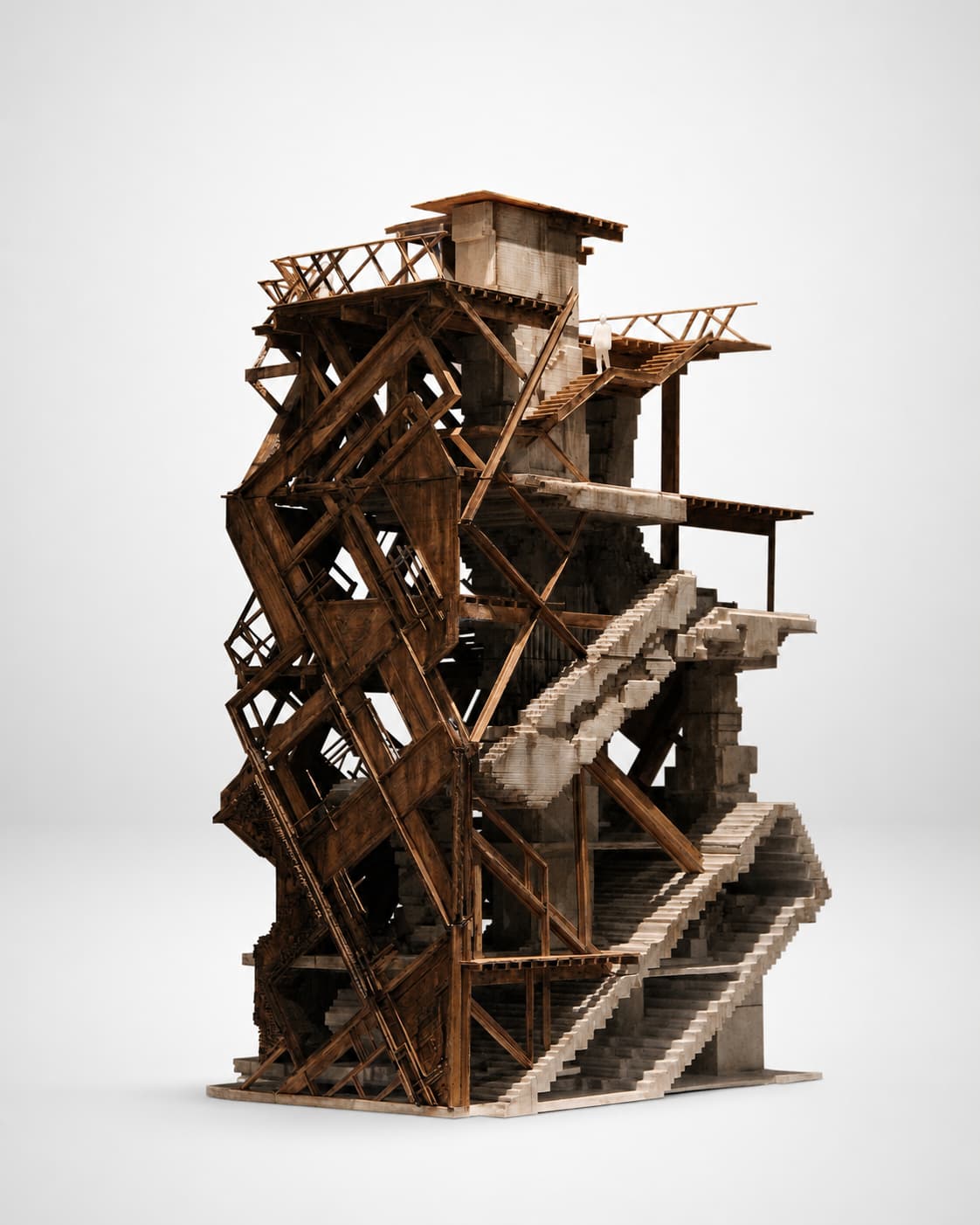
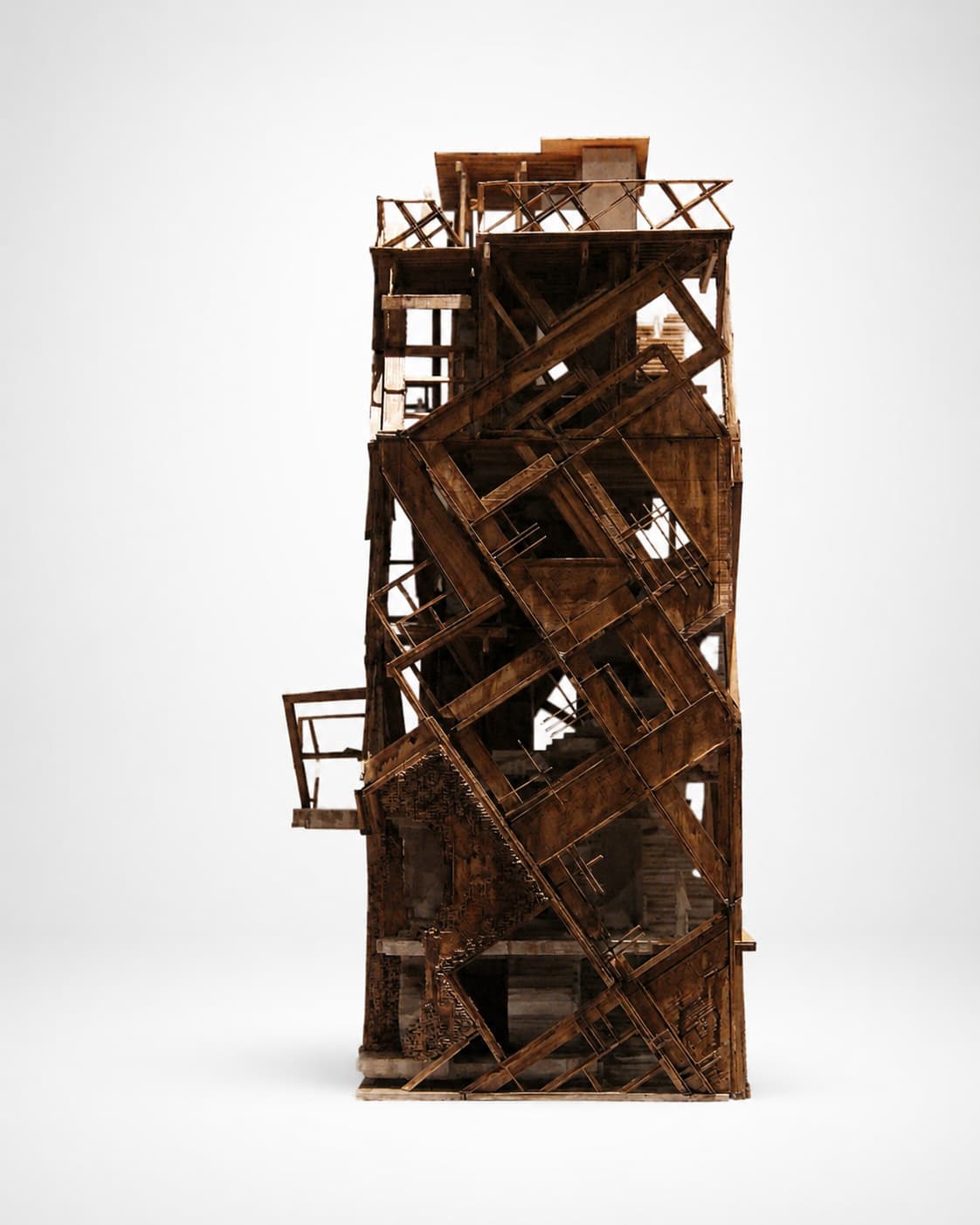
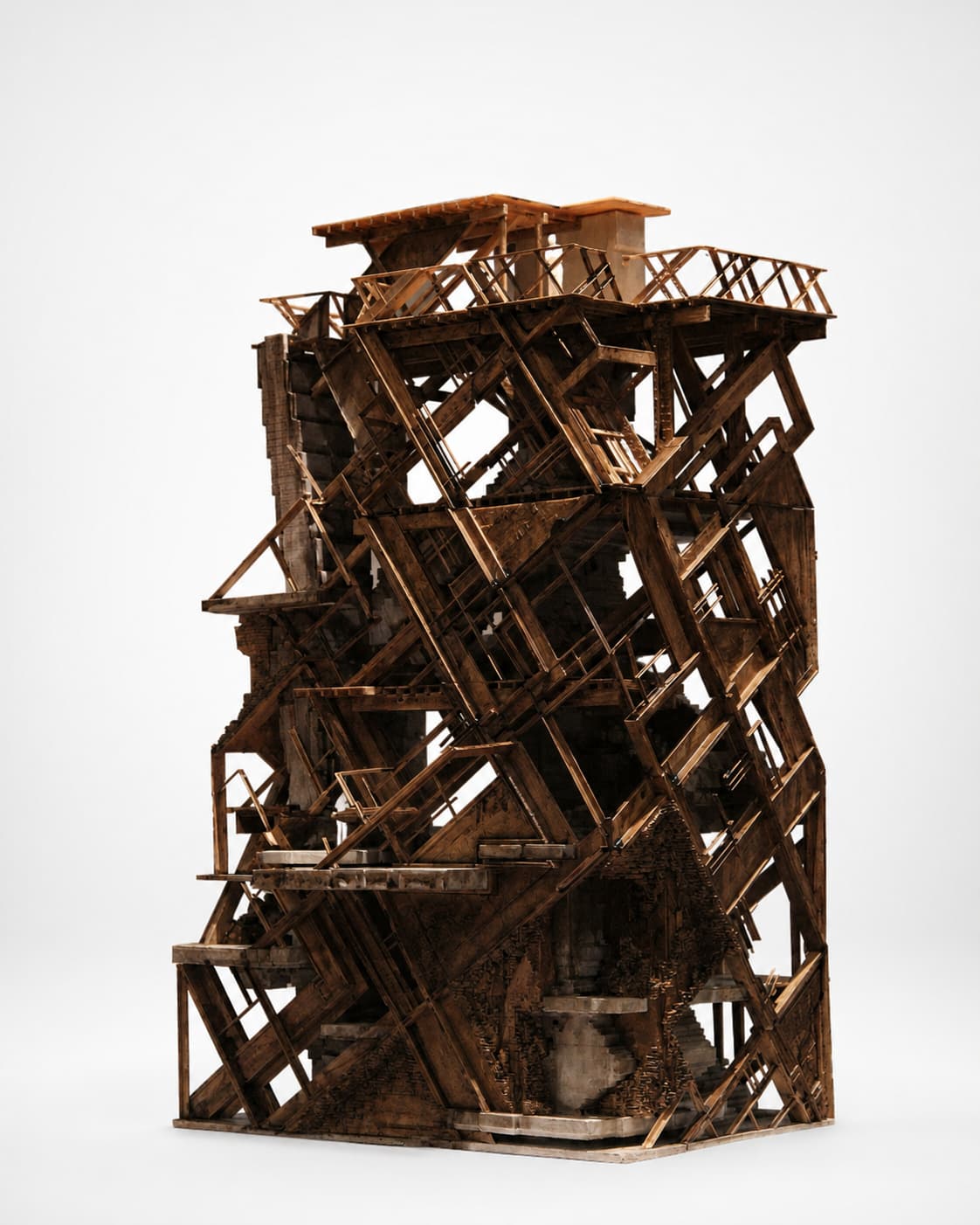
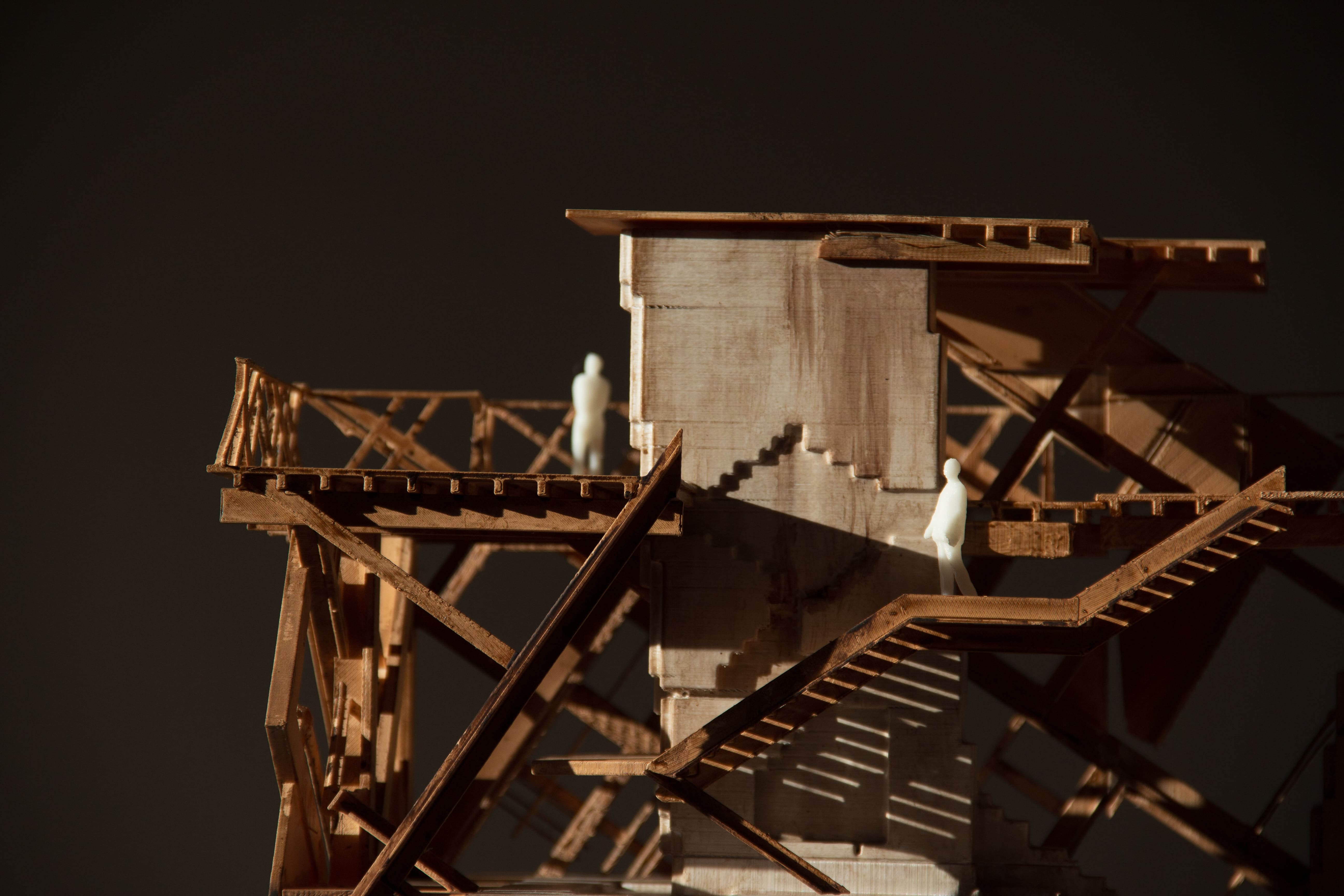
The project seeks to integrate degradation into the architectural lifecycle rather than resisting it. Weathering is treated as a formative process that actively contributes to the building’s evolution. The architecture is conceived to pass through distinct stages of ageing where material breakdown disassembly and repair are anticipated and spatially productive. Time is not external to the project but embedded within its organisational logic allowing the building to register change as part of its identity.
Add to cart

Add to cart

Add to cart

Add to cart


Add to cart

Add to cart

Add to cart

Add to cart


Add to cart

Add to cart

Add to cart

Add to cart


Add to cart

Add to cart

Add to cart

Add to cart


Add to cart

Add to cart

Add to cart

Add to cart


Add to cart

Add to cart

Add to cart

Add to cart


Add to cart

Add to cart

Add to cart

Add to cart

Add to cart

Add to cart

Add to cart

Add to cart


Add to cart

Add to cart

Add to cart

Add to cart

Add to cart

Add to cart

Add to cart

Add to cart


Tap to zoom


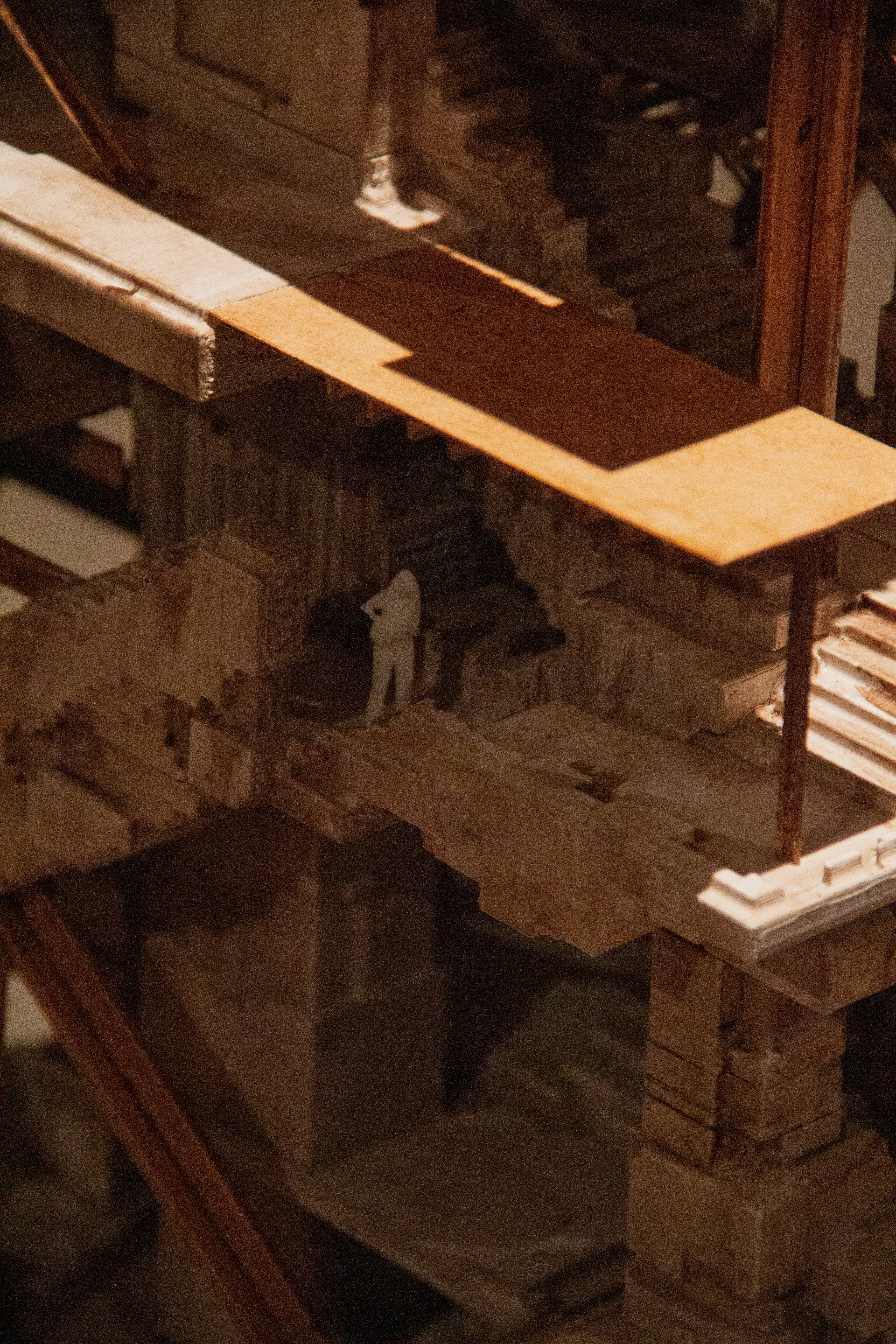
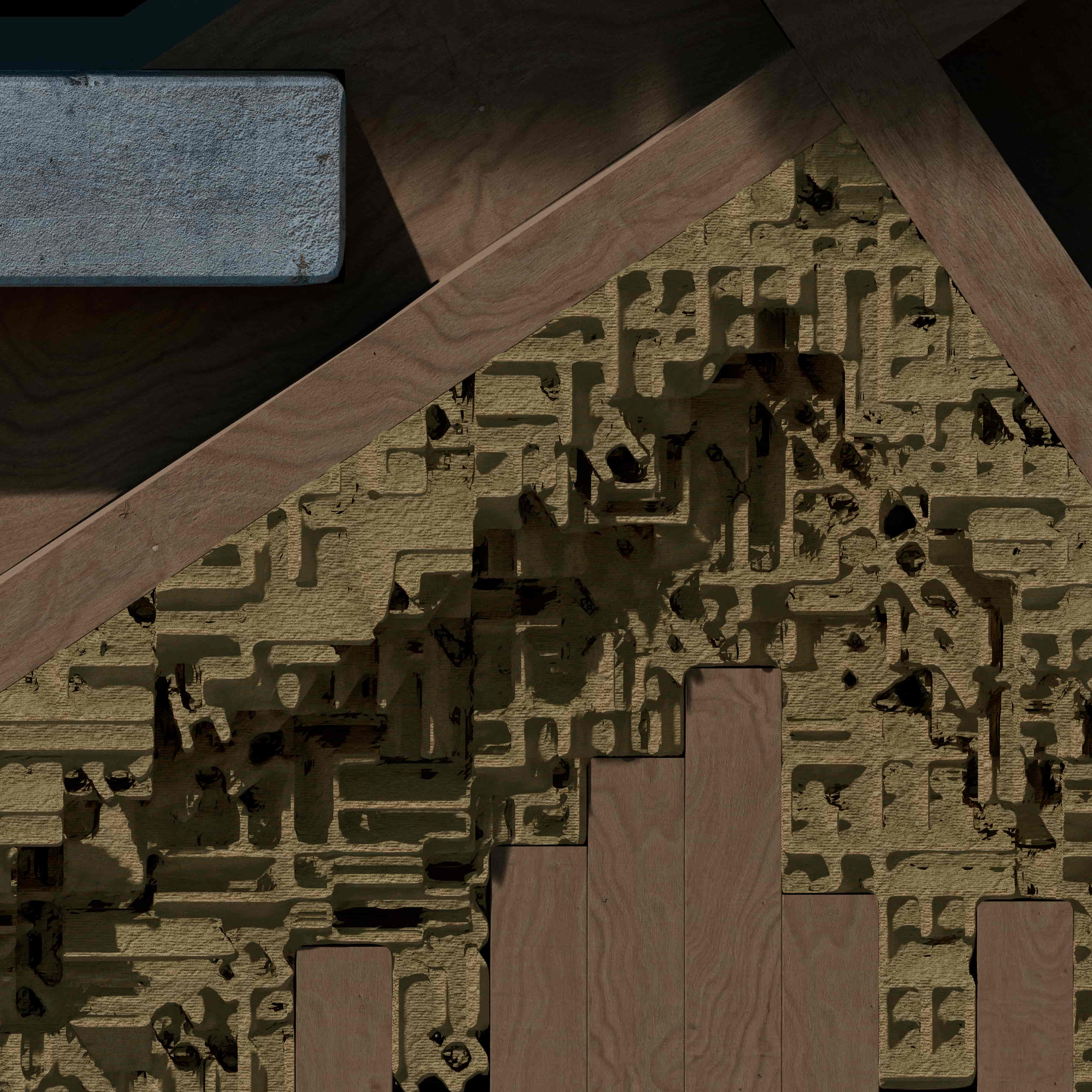
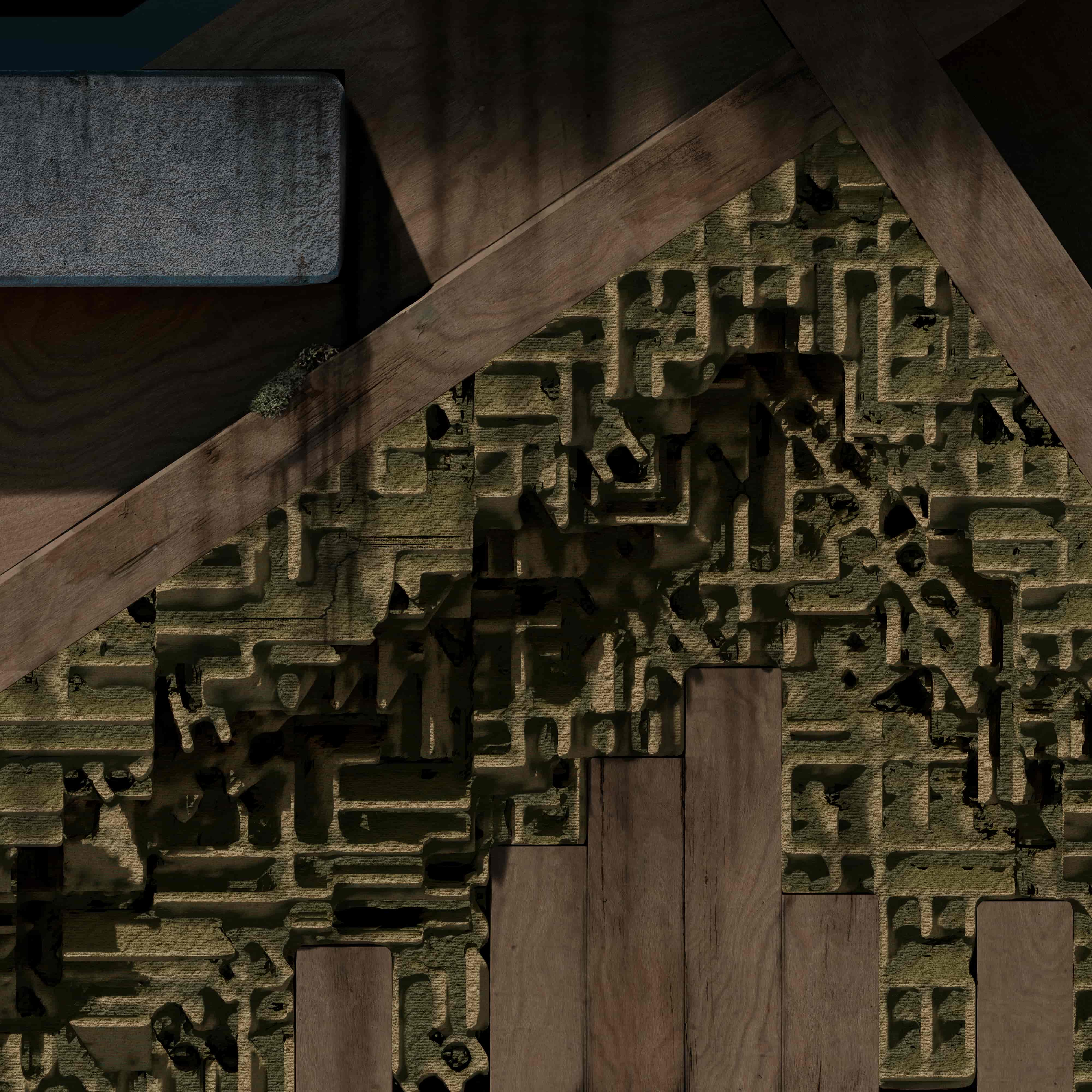
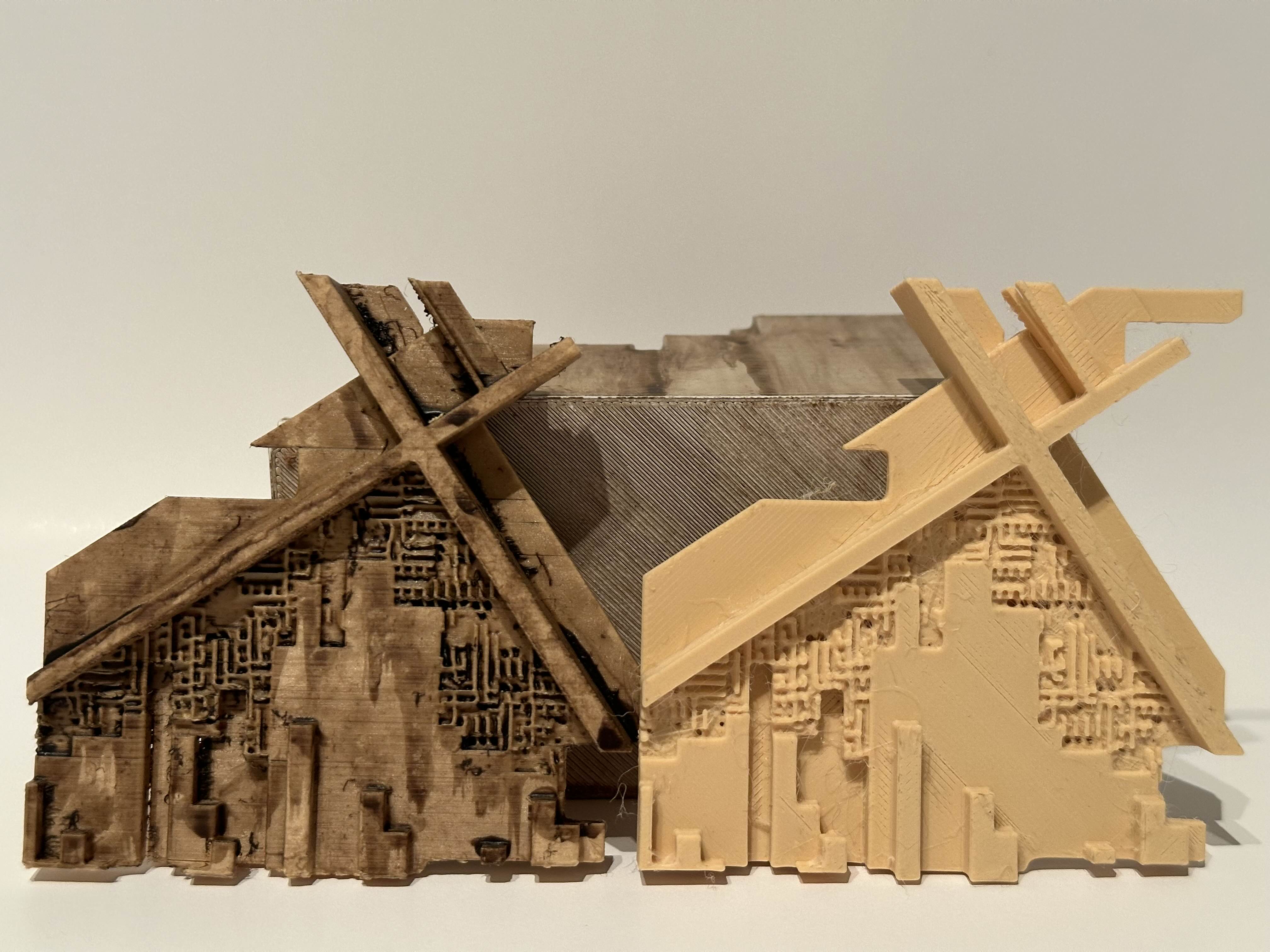
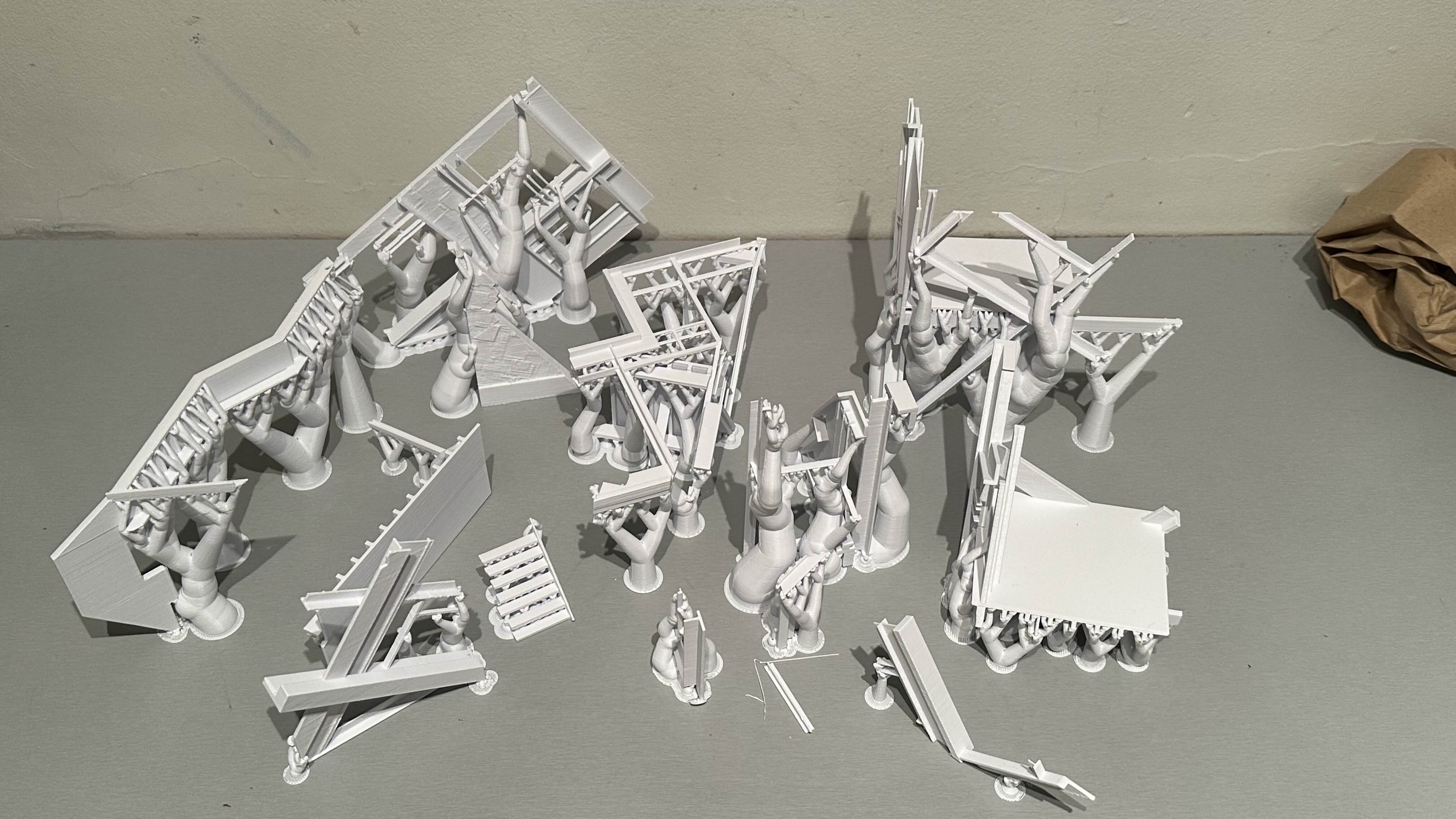
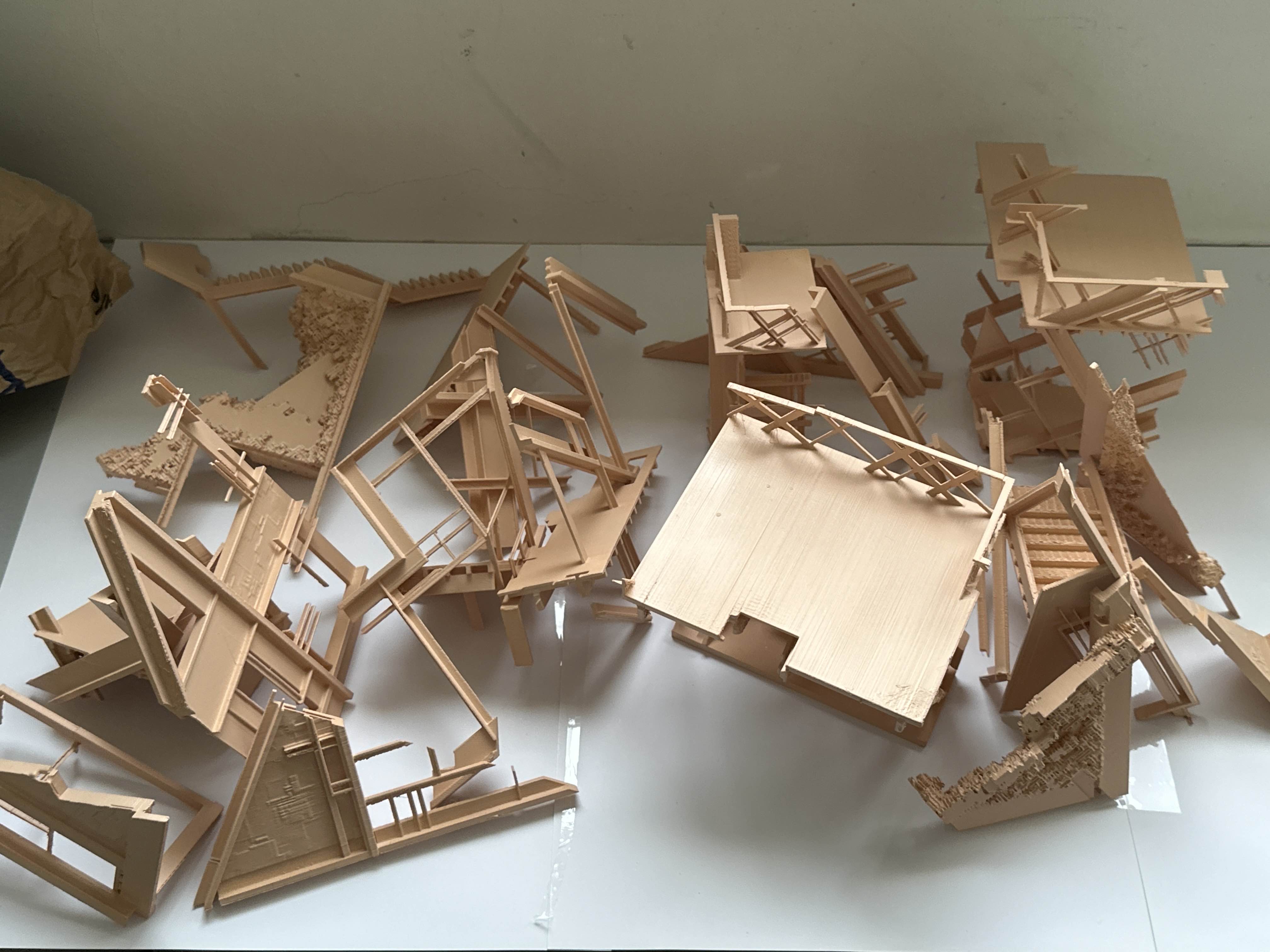
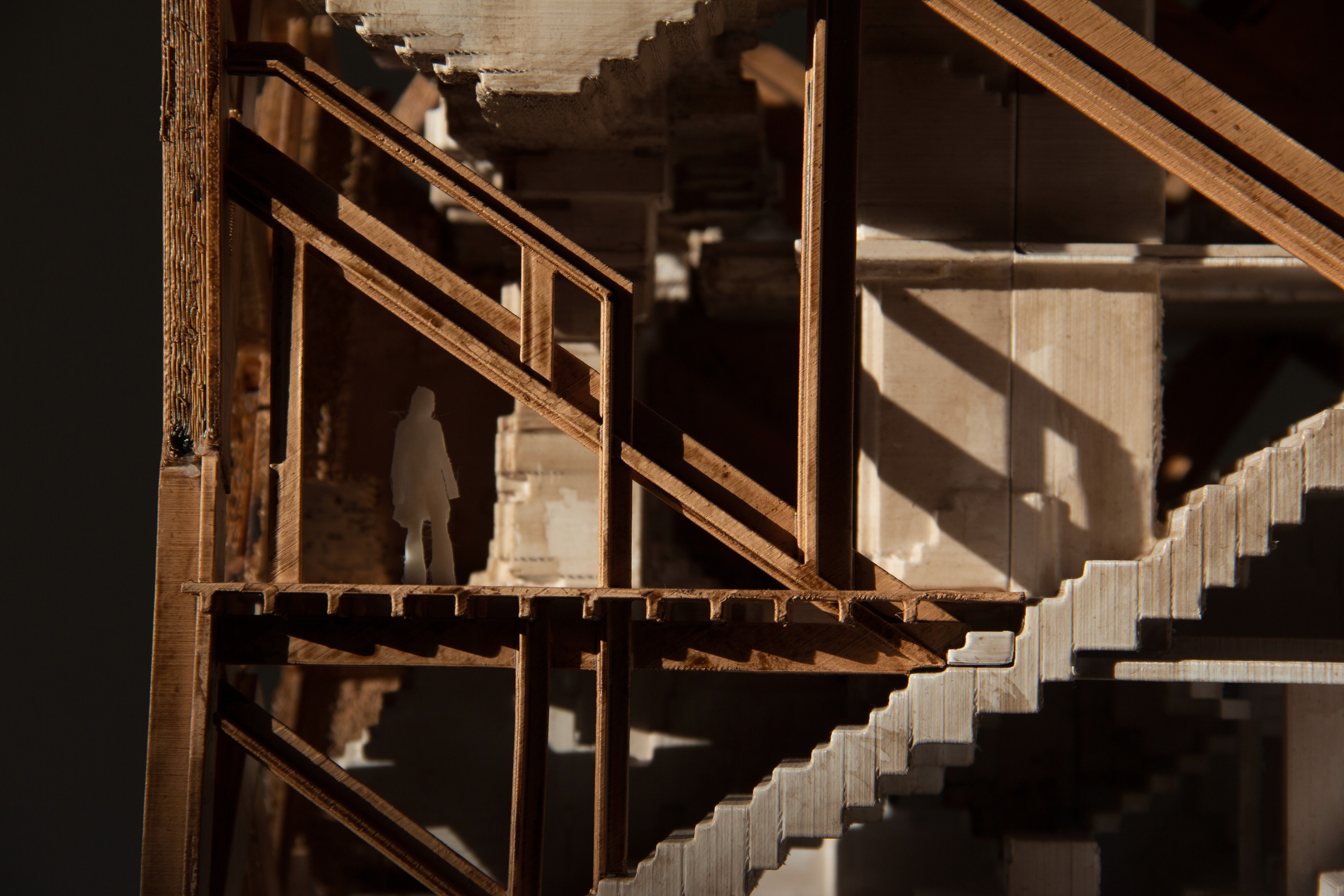
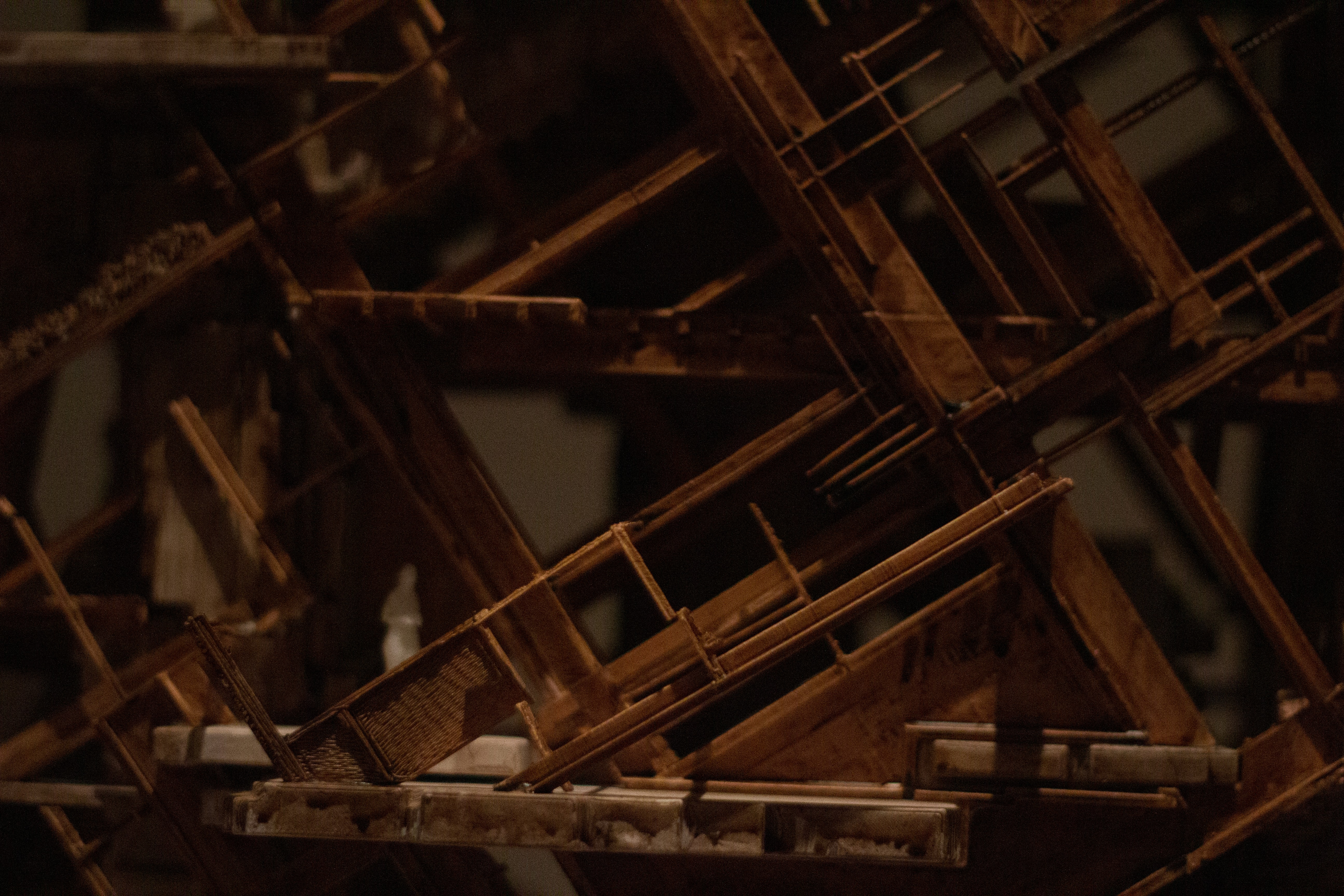
Textured 3d Printed Sawdust original vs weathered over time
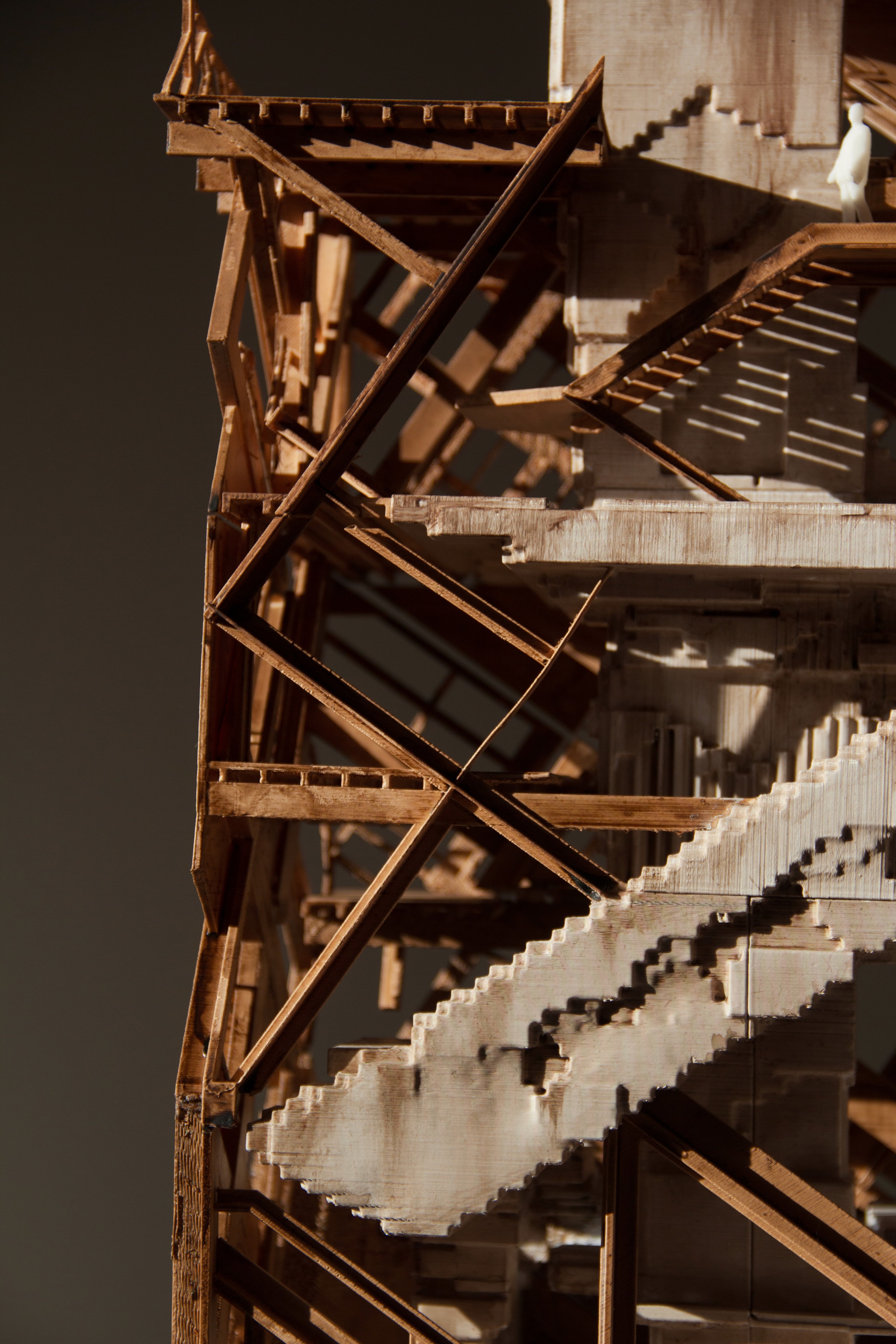
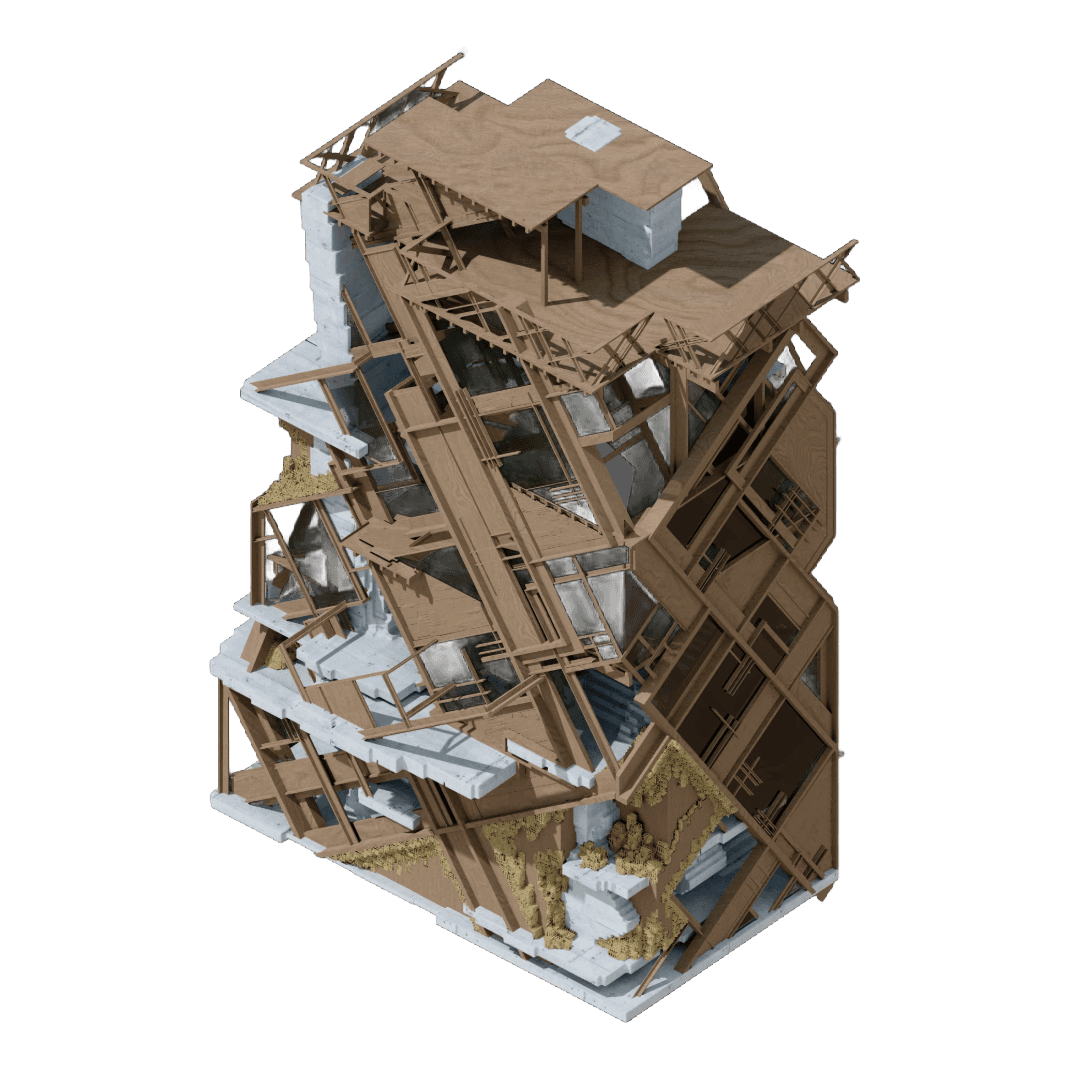
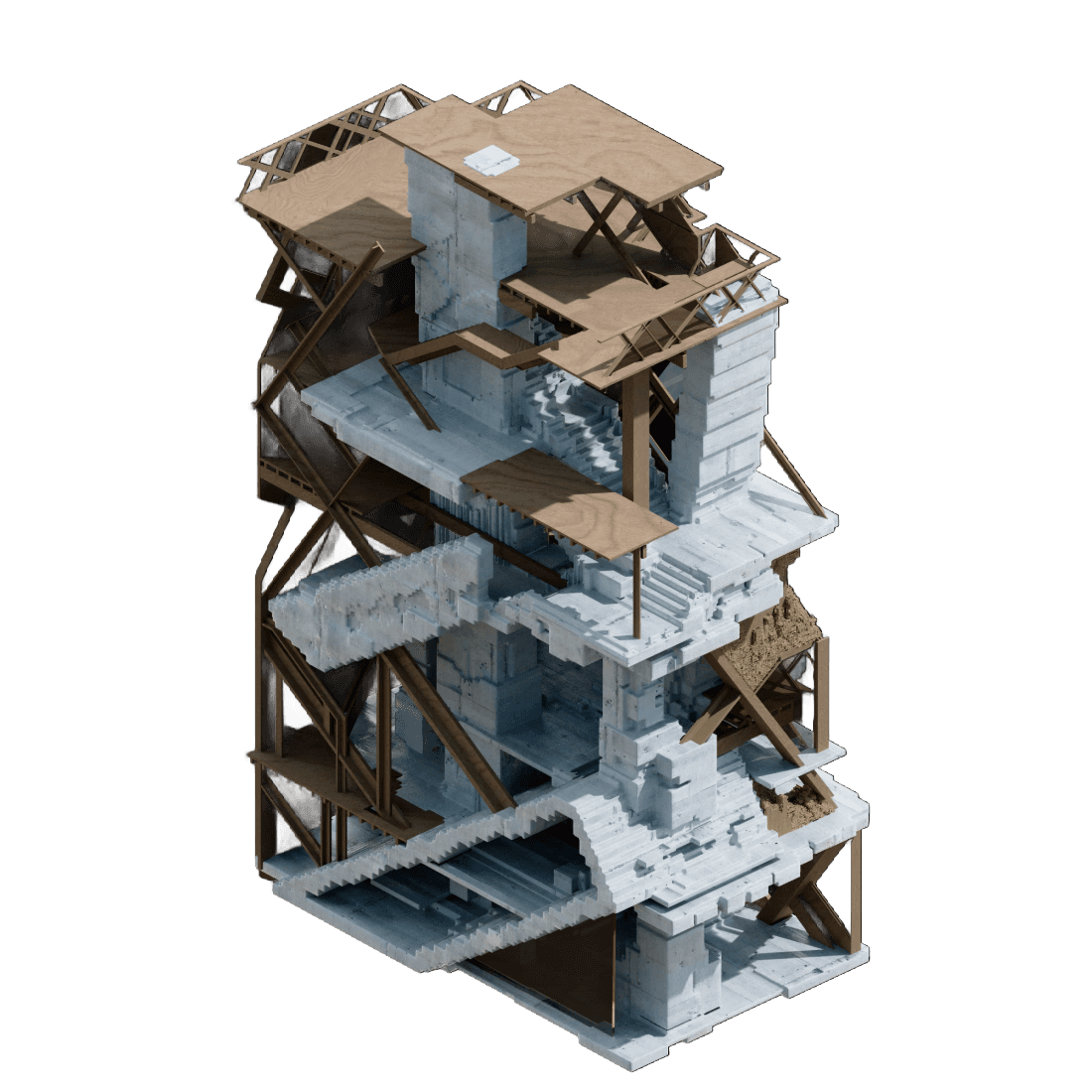
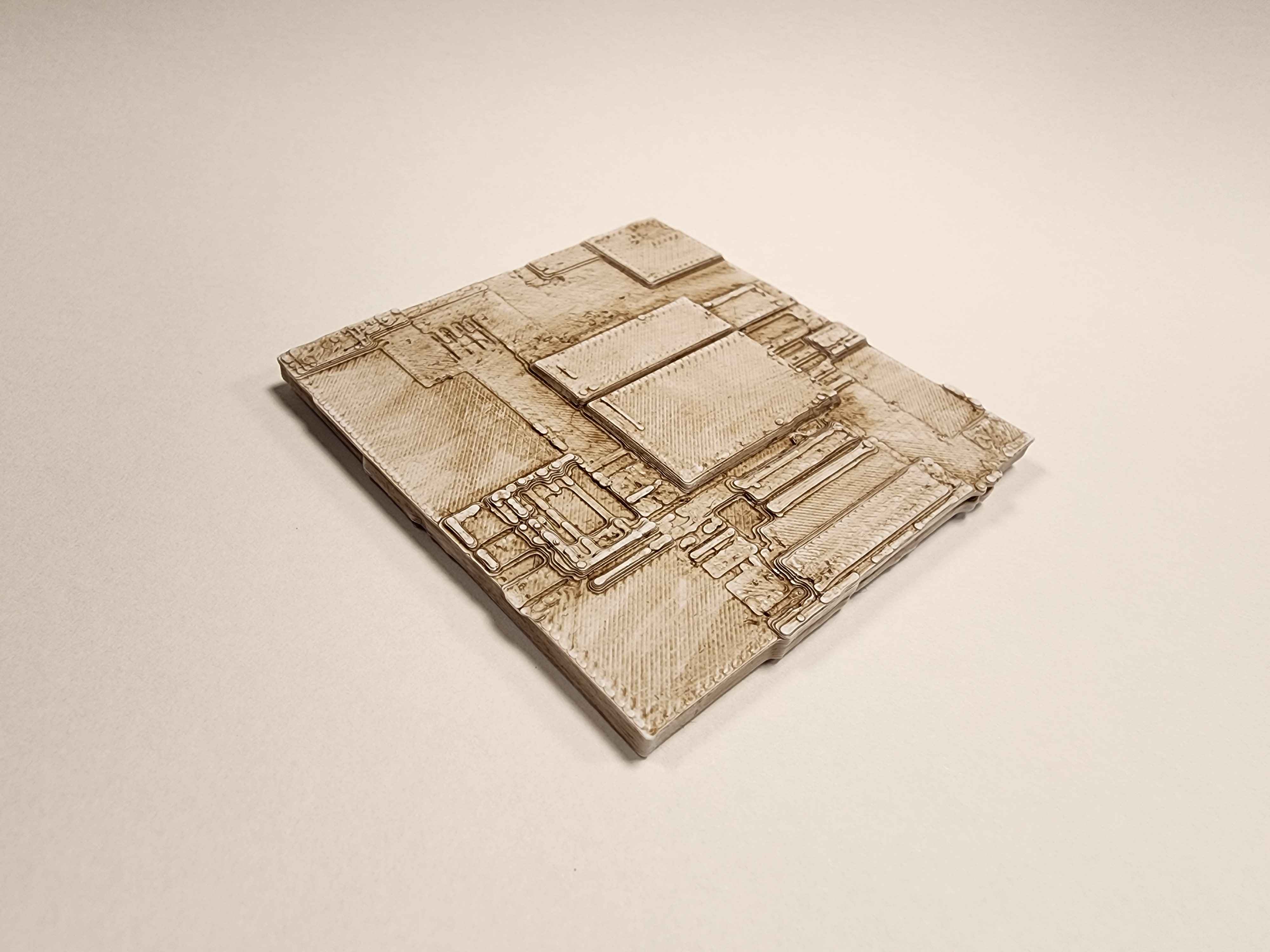
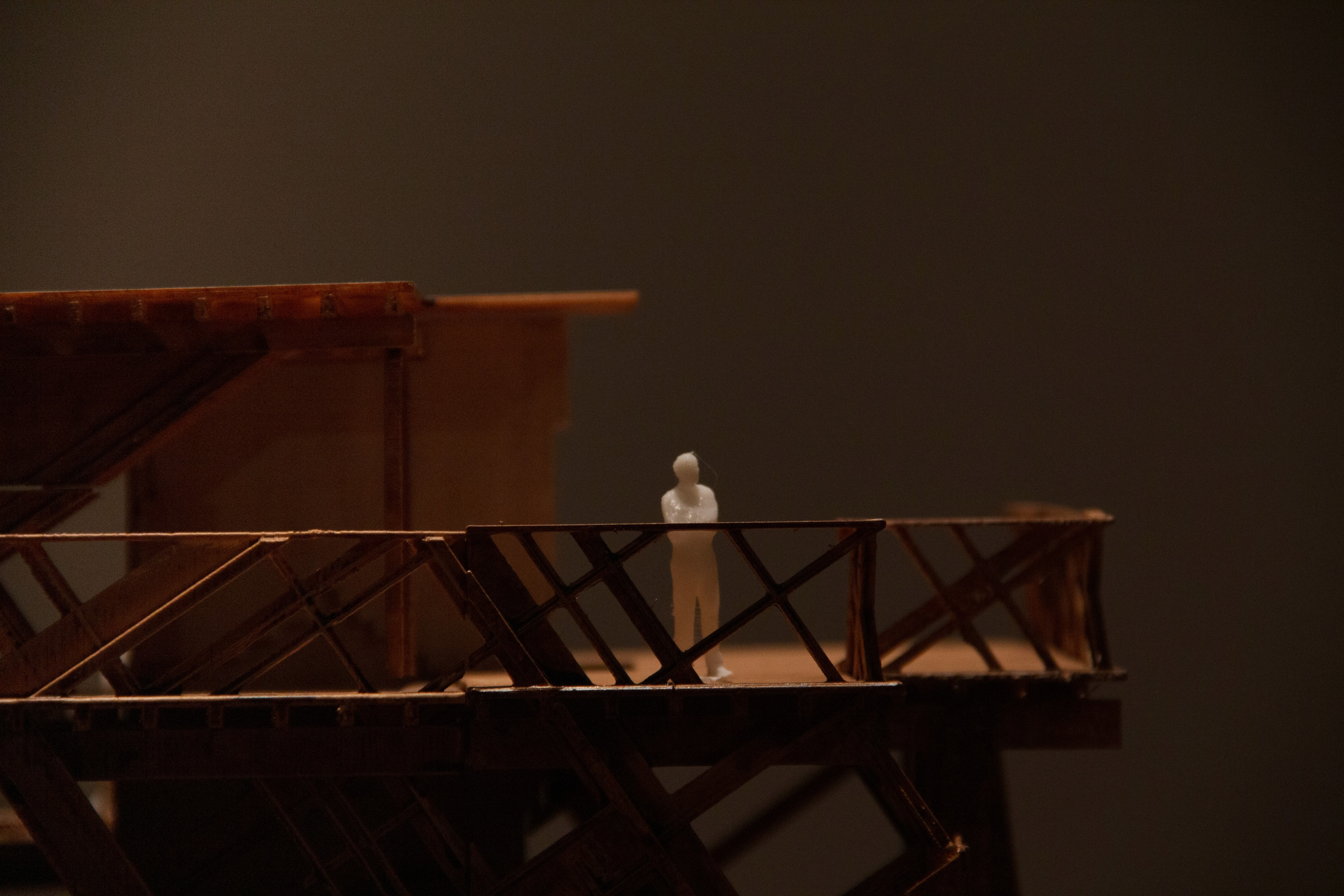
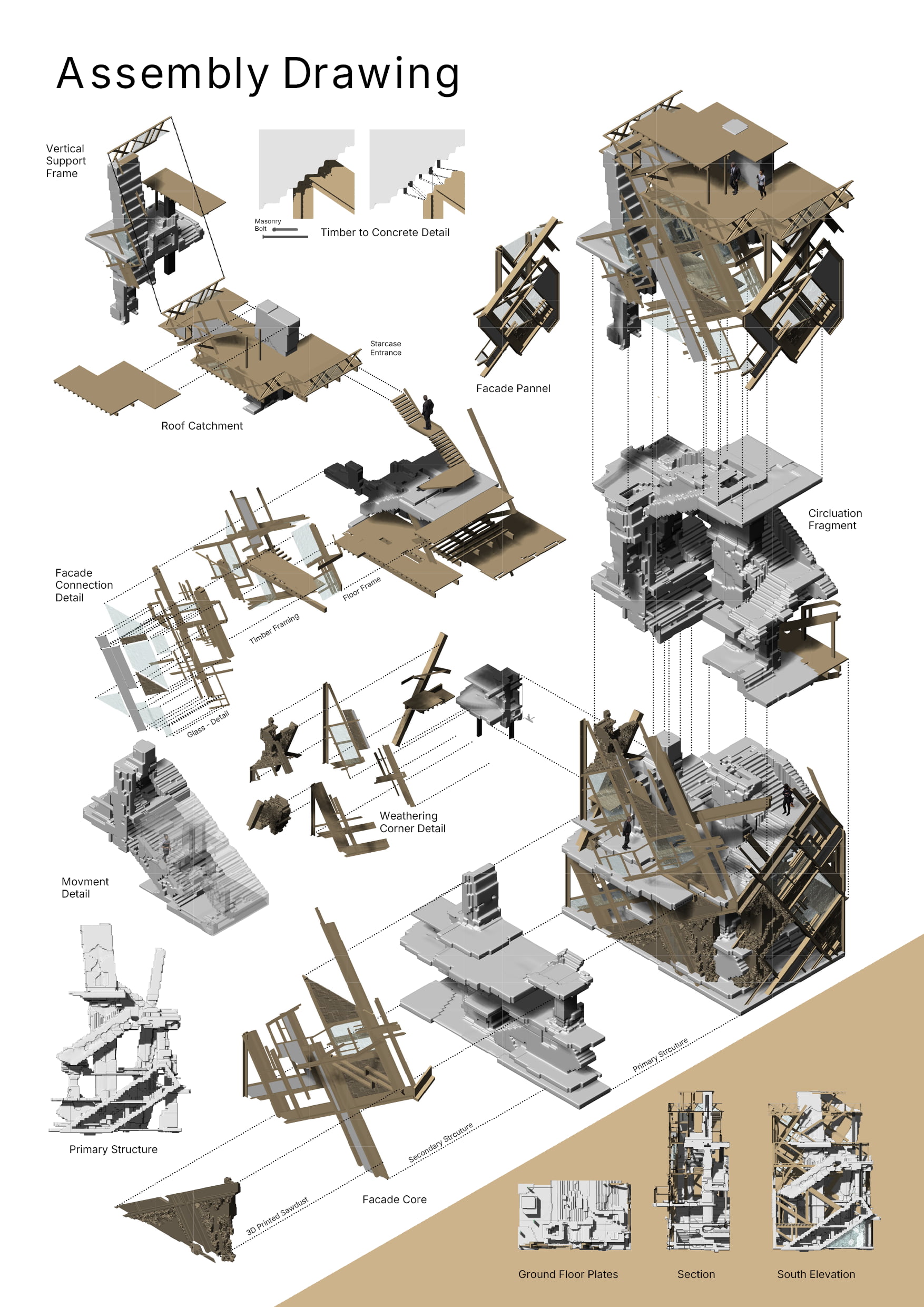
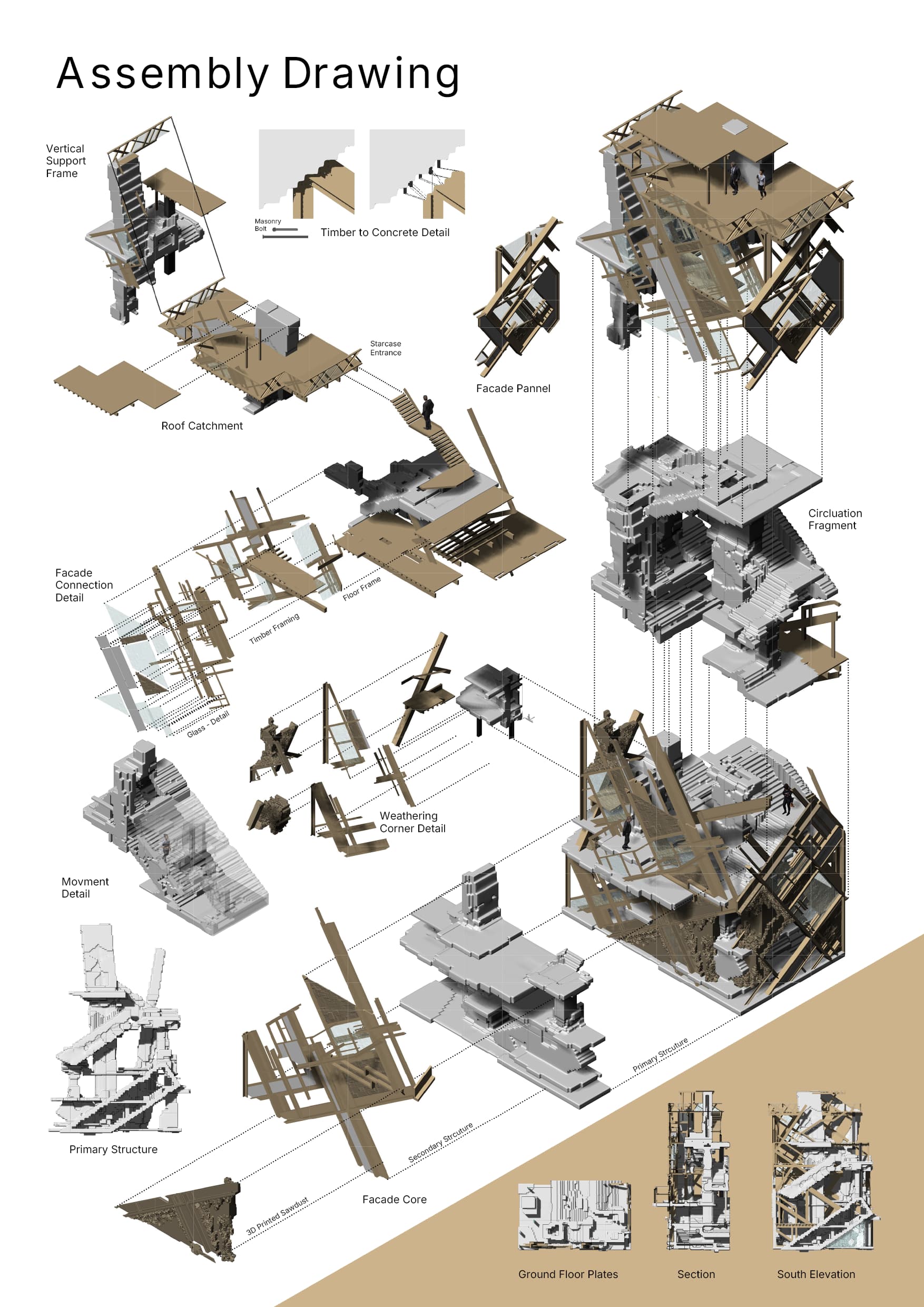
The most fragile and experimental components occur at the tertiary scale. These finer elements are designed as responsive surfaces that actively capture environmental matter. The use of 3D printed sawdust components allows the building to collect dust moisture seeds and airborne particles accelerating ecological growth while also concentrating zones of material breakdown. These elements are sacrificial by intent. Their degradation transfers stress away from more durable systems while recording environmental conditions through visible change. Damage is therefore redirected and curated rather than avoided.
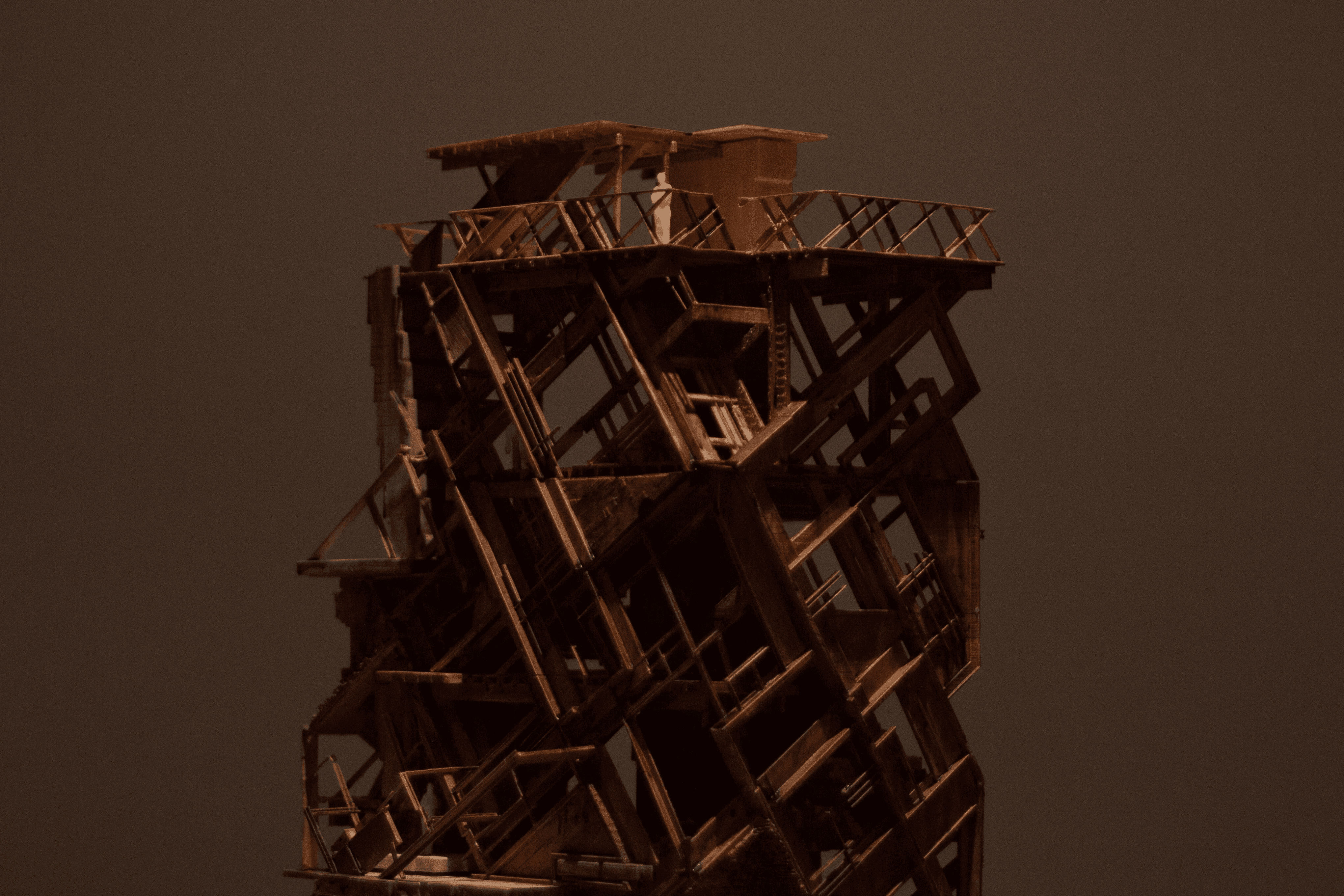



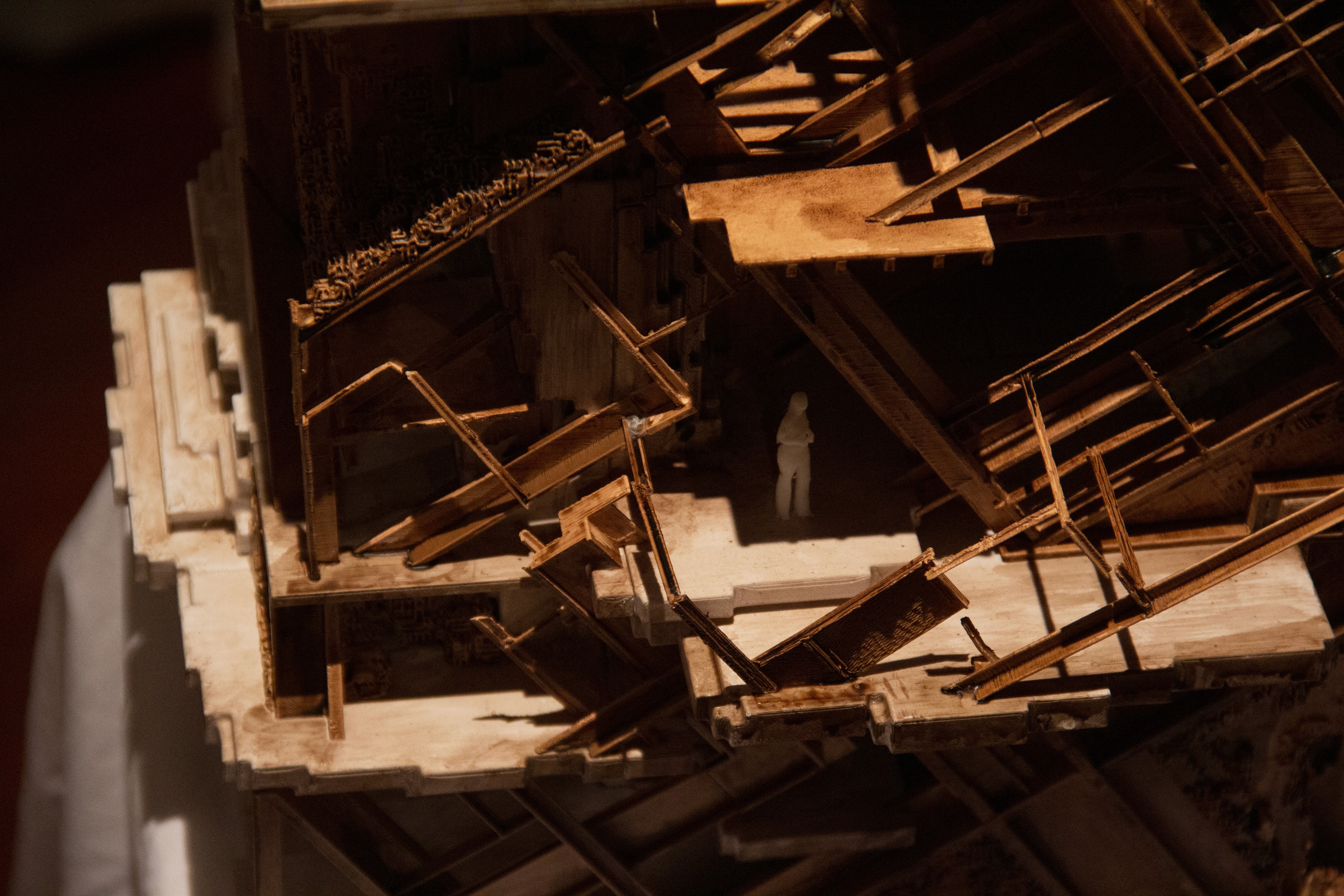
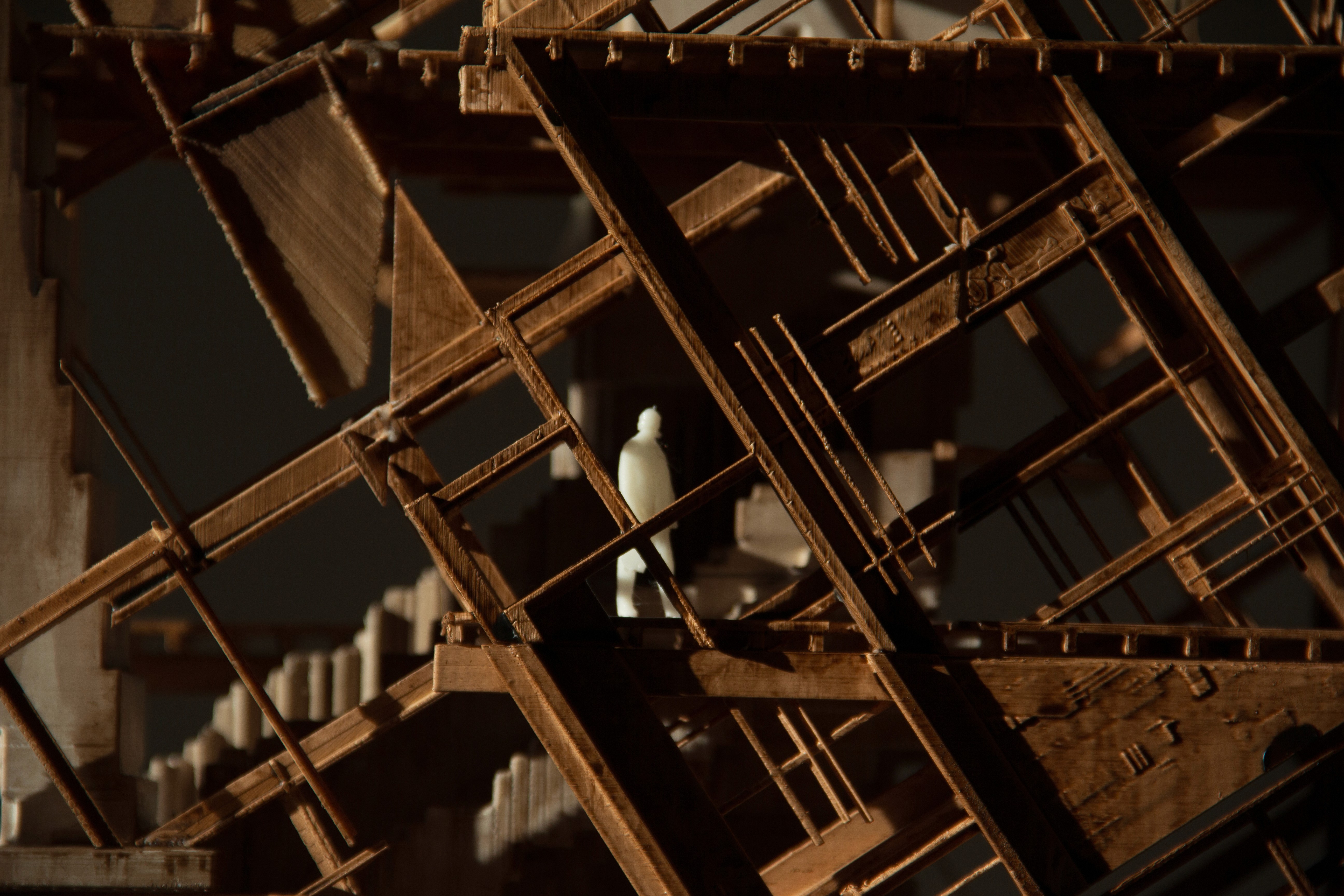
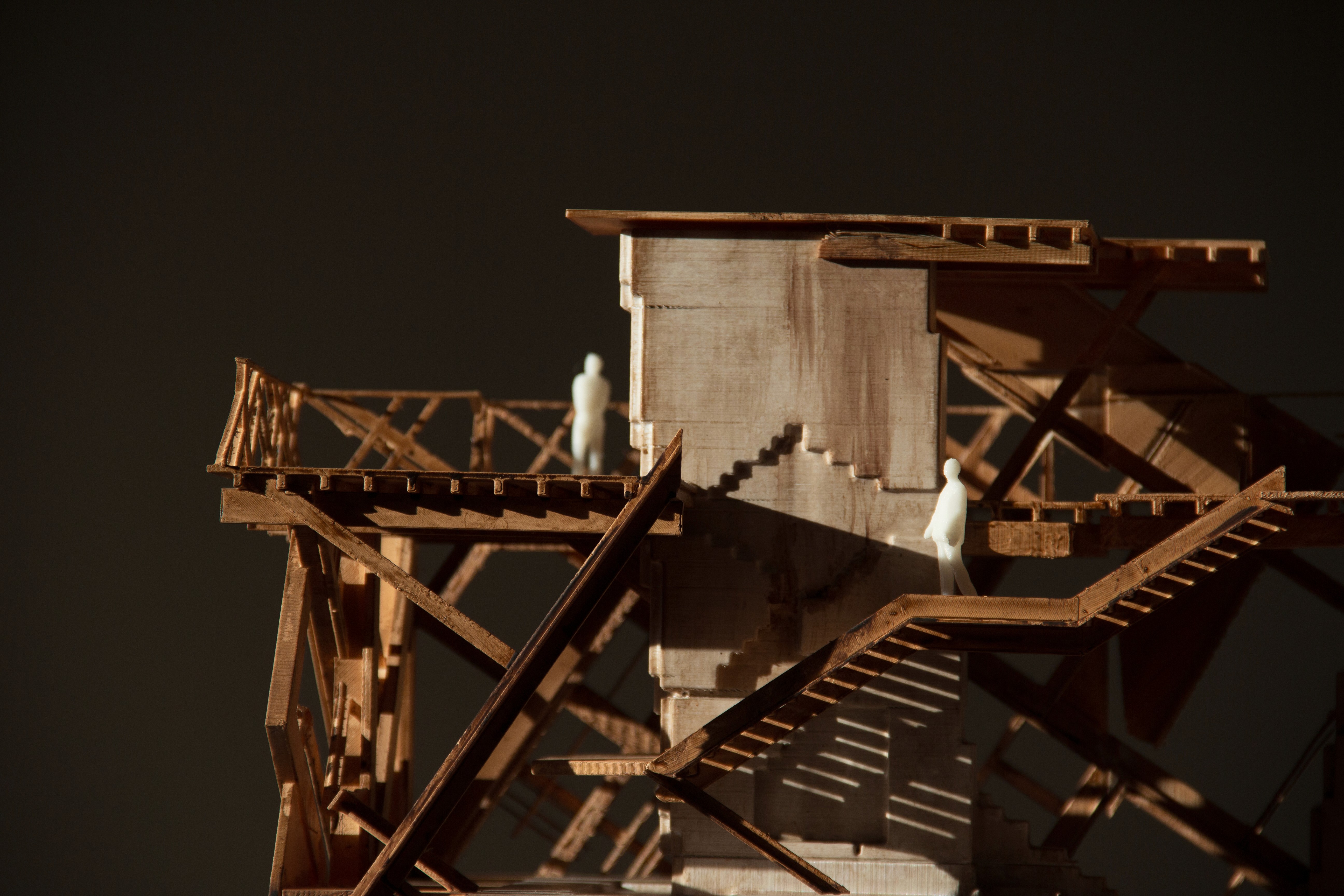
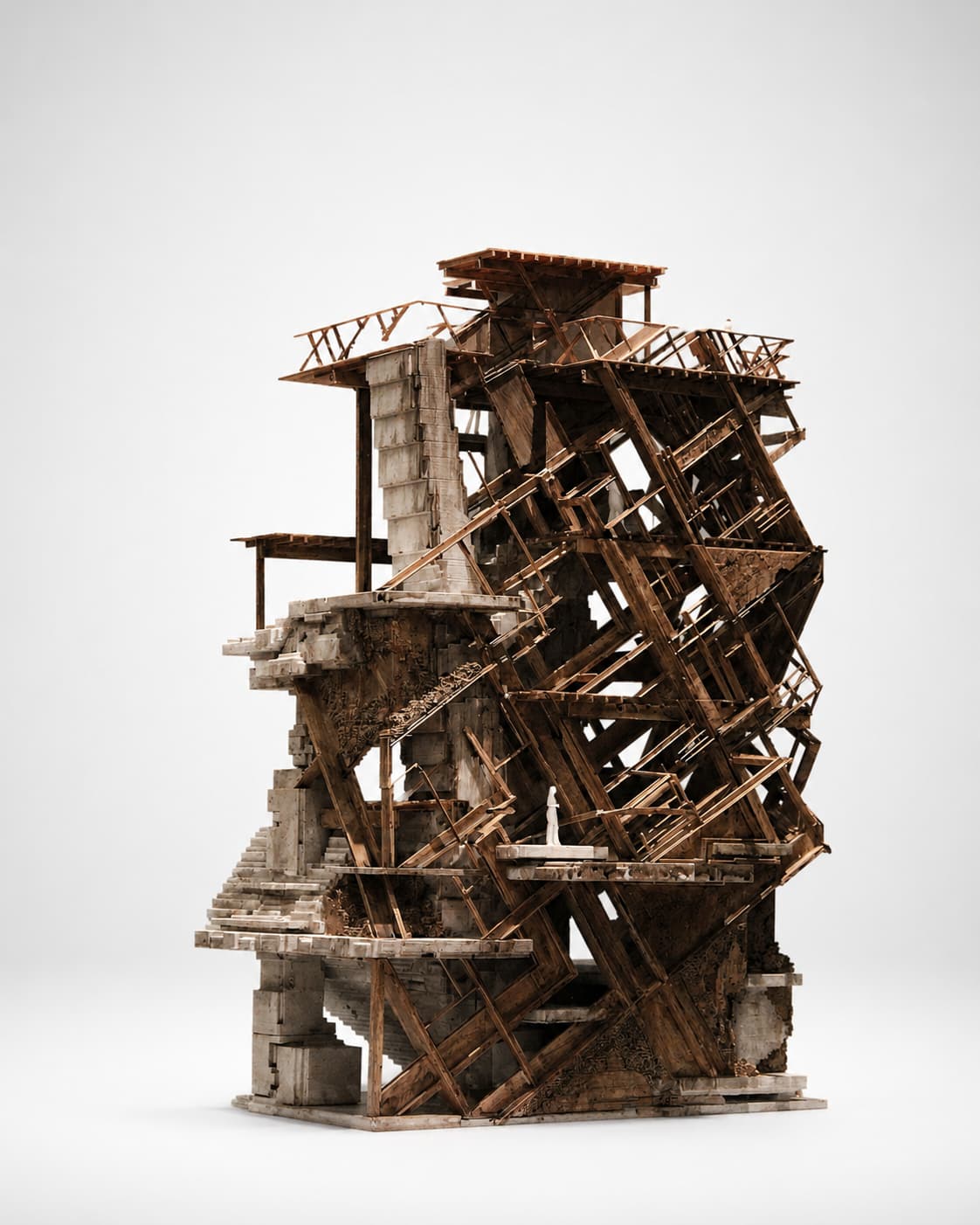
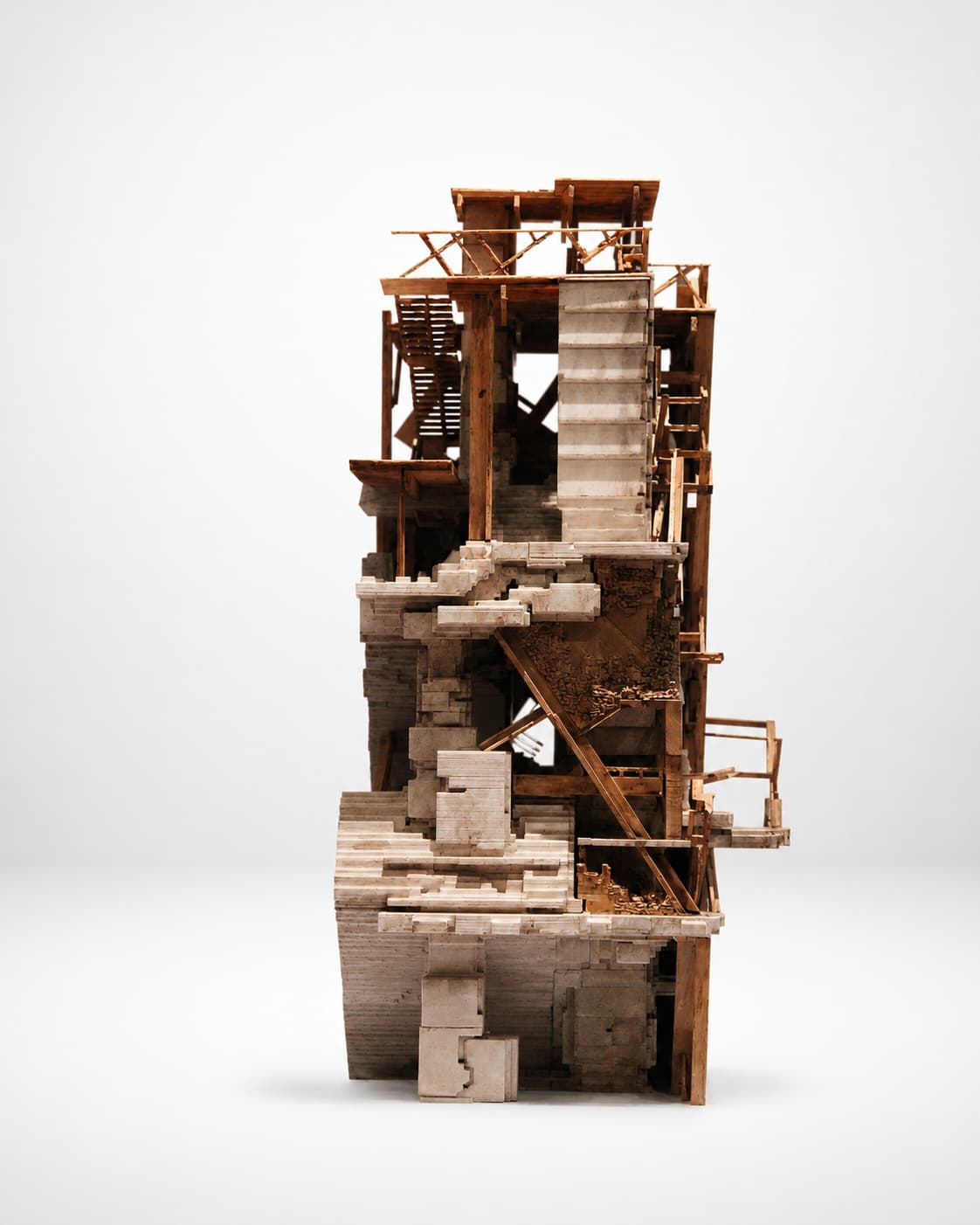
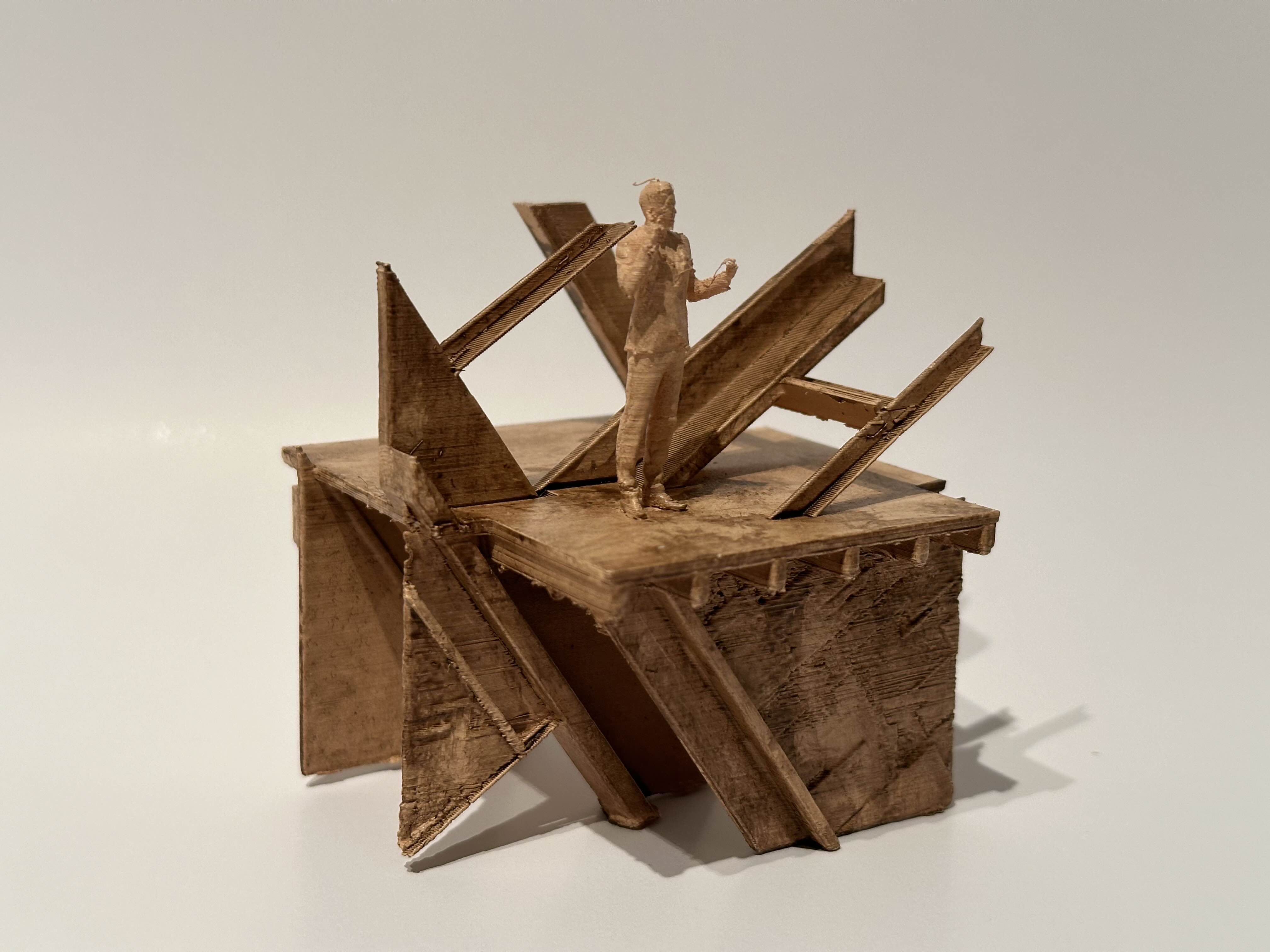
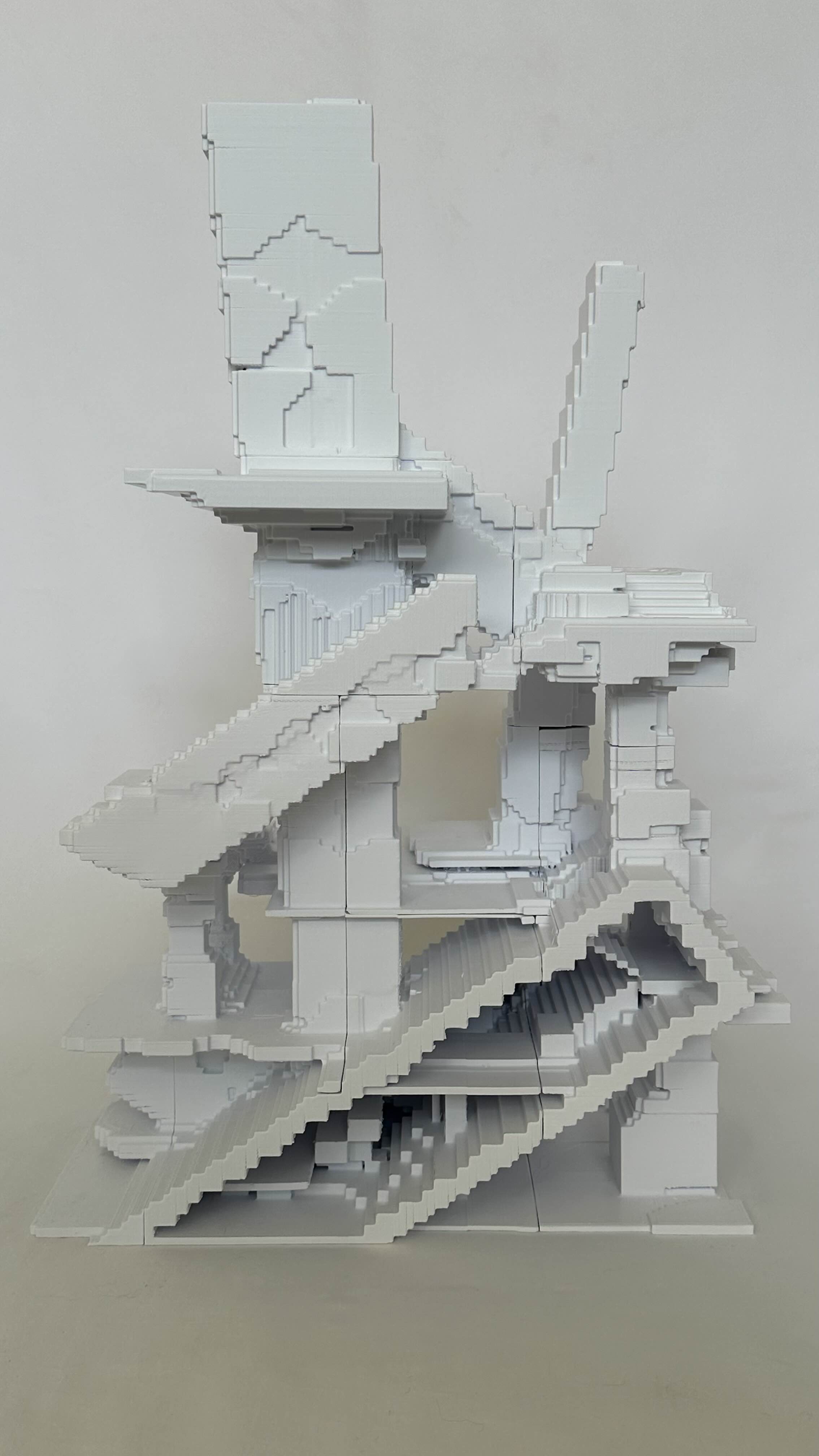
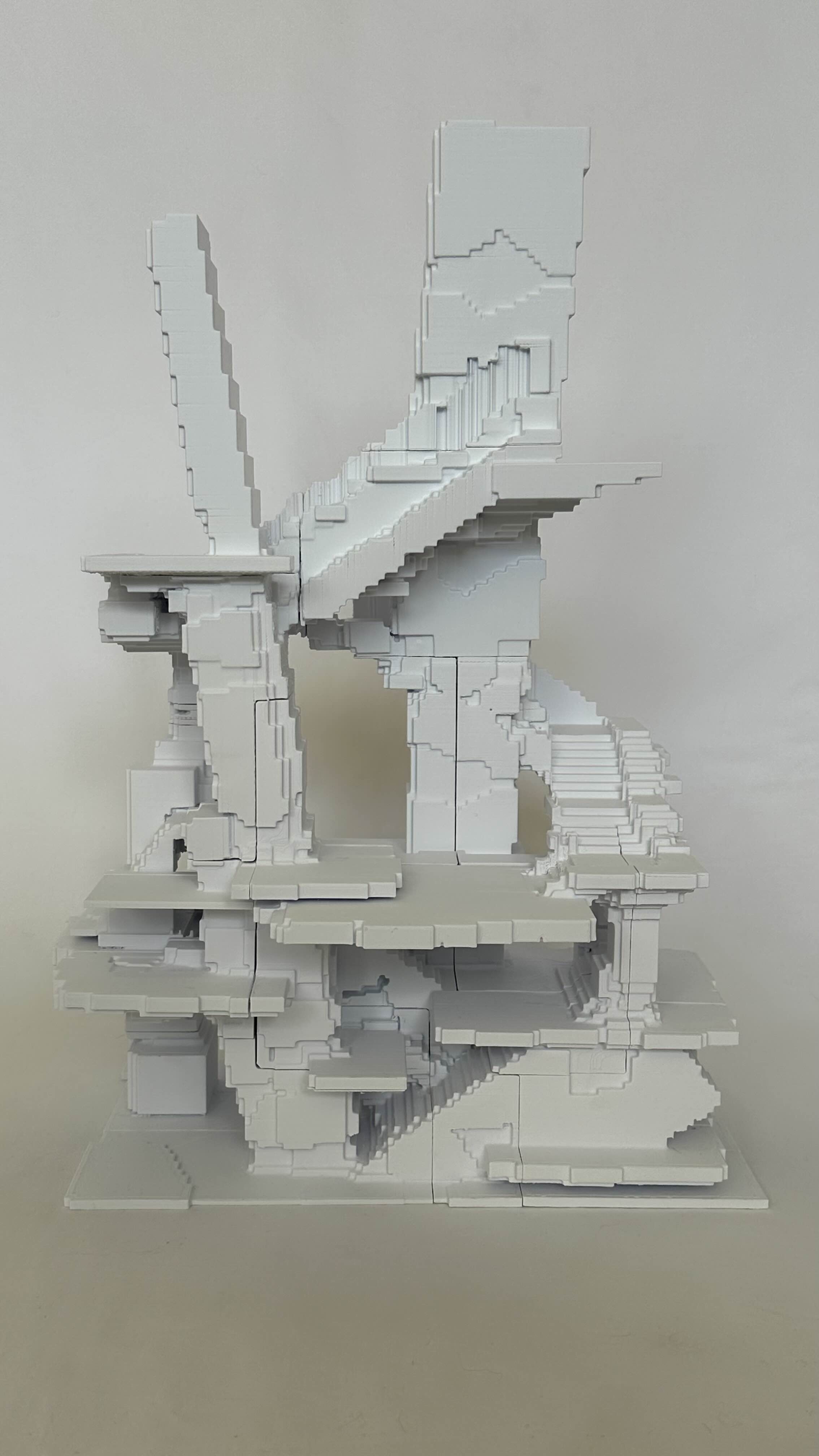
The design is structured around three interconnected architectural systems that operate across different temporal scales. The primary structure forms the long term backbone of the building. It establishes the core structural integrity and provides a stable frame capable of supporting successive architectural iterations. This element is conceived to endure across generations acting as an armature upon which new layers can be constructed removed and reconstructed without undermining the overall coherence of the building. Permanence here is not symbolic but infrastructural allowing continuity through adaptation.

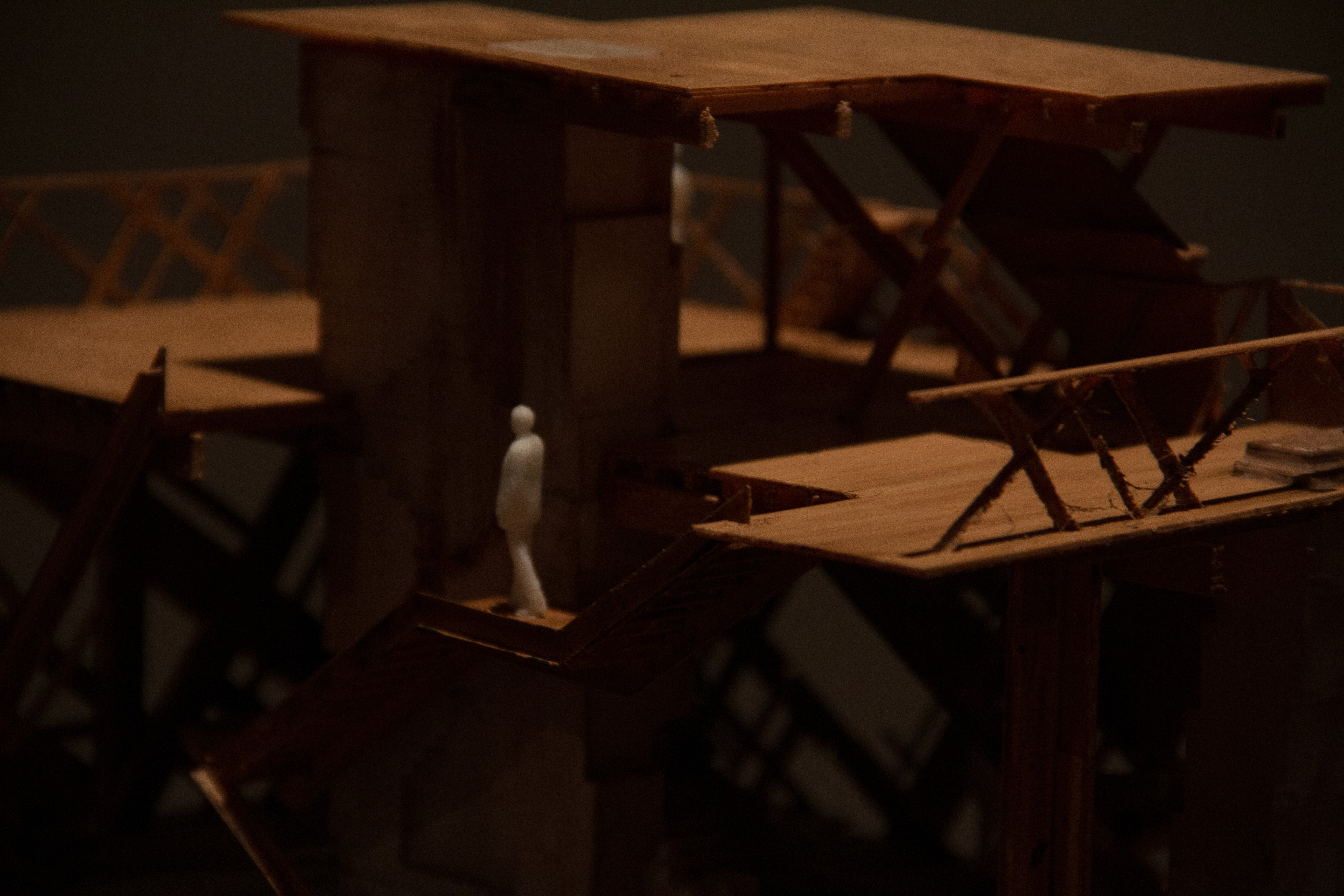
The secondary structure mediates between permanence and transformation. It introduces the human scale of occupation through inhabitable elements such as circulation platforms floors and internal partitions. This layer is intentionally exposed to environmental forces allowing it to become a site where decay and inhabitation intersect. It operates as a zone of interaction where human use ecological growth and material weathering occur simultaneously. Rather than separating interior from exterior this system encourages overlap allowing vegetation moisture and atmospheric conditions to enter the architectural experience.

Model Progression
Model Progression